
The concept of a digital nomad visa is an intriguing one, stirring the imaginations and aspirations of countless remote workers across the globe. As we delve into the intricacies of this modern travel phenomenon, it’s vital to understand that the digital nomad visa is not just a simple document allowing you to live and work from anywhere. It’s a gateway to a lifestyle that promises freedom, flexibility, and the chance to experience the world in a way that traditional work setups seldom allow. In this guide, we explore the various facets of digital nomad visas, with a keen focus on their implications for those eyeing Canada as their next destination.
Understanding Nomad Visas
Discover the essentials of digital nomad visas and how they can enhance your travel experience while working remotely.
– What is a digital nomad visa? A digital nomad visa allows remote workers to live in a foreign country while legally working for a company outside that country.
– What are the benefits? Benefits include the ability to live in attractive countries, potential tax advantages, and a community of like-minded individuals.
– How do I get one? To obtain a digital nomad visa, you’ll typically need to meet specific requirements, which vary by country, including proof of employment or income and sometimes health insurance.
What is a digital nomad visa?
A digital nomad visa is a special type of visa that permits individuals to reside in a country while working remotely for a company not based in that country. Unlike traditional work visas, these visas cater specifically to freelancers, entrepreneurs, and remote employees who leverage technology to perform their jobs.
Why is this important? Because it represents a seismic shift in how we define work-life balance and career mobility. In essence, a digital nomad visa allows you to live in one country while economically contributing to another. This arrangement is mutually beneficial, providing the host country with a boost in tourism and local spending, while the nomad enjoys the cultural and lifestyle benefits of their chosen location.
Who is a digital nomad?
Digital nomads are the modern-day wanderers, leveraging technology to perform their work from anywhere in the world. They are a diverse group, ranging from freelance writers and graphic designers to software developers and online marketers. What unites them is their ability to work remotely, often requiring no more than a laptop and a reliable internet connection.
Personally, my journey as a digital nomad began in 2019, when I took the plunge into remote work after years in a conventional office environment. The freedom to choose my location based on personal preference rather than work obligations was liberating. Like many others, I found myself drawn to vibrant cities and serene landscapes alike, each offering unique inspirations and challenges.
What are the benefits of a digital nomad visa?
The benefits of a digital nomad visa extend beyond the mere ability to work from an exotic location. First and foremost, it provides legal assurance. With a digital nomad visa, you have the official sanction to reside and work in a foreign country, reducing the risk of legal complications that could arise from working on a tourist visa.
Moreover, these visas often come with additional perks. For instance, some countries offer tax incentives, access to local healthcare, and opportunities to open local bank accounts. The social benefits are also significant; living in a country for an extended period allows for deeper cultural immersion and the chance to build meaningful relationships with locals and fellow nomads.
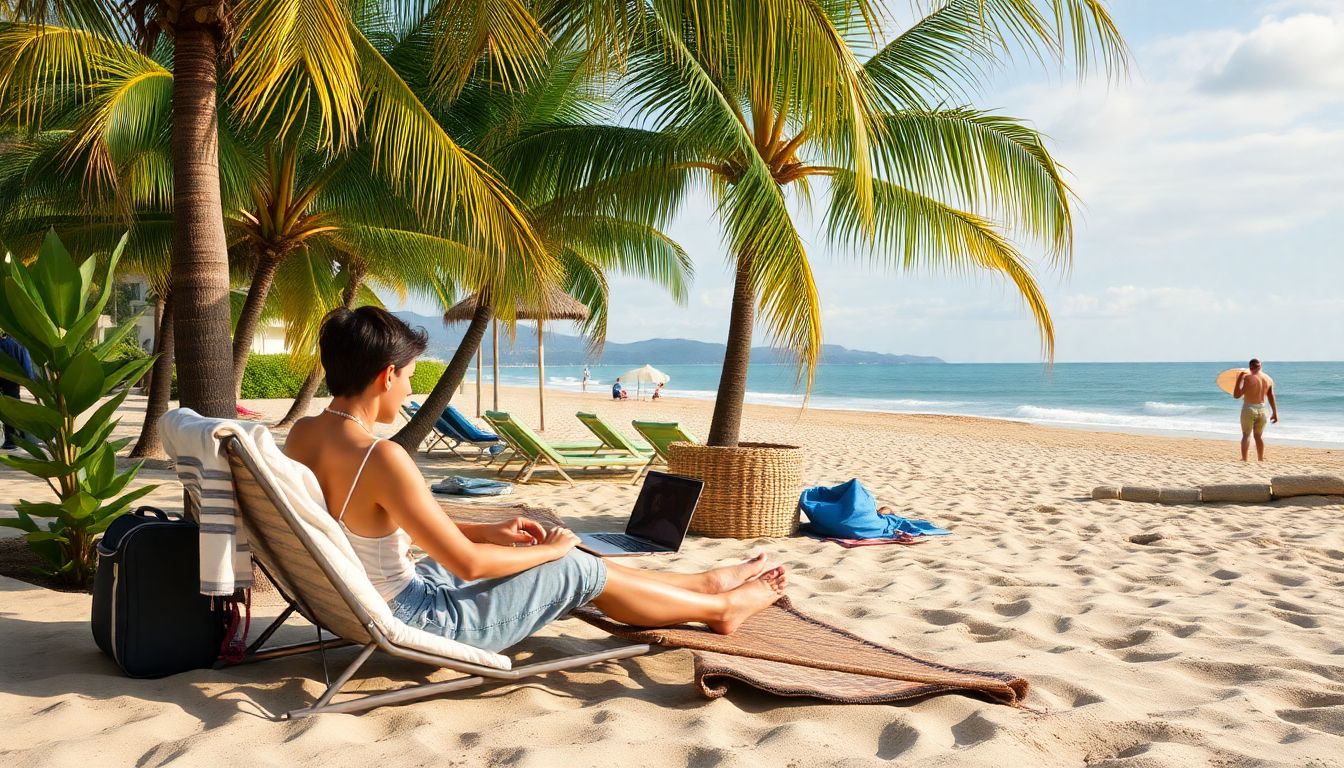
How do I get a digital nomad visa?
Obtaining a digital nomad visa involves several steps, which can vary significantly from country to country. Generally, the process includes providing proof of remote employment or freelance work, demonstrating a stable income, and showing the ability to support oneself financially during the stay.
In my experience, the most challenging part was gathering the necessary documentation. Ensuring that my contract clearly stated my remote work status and income was crucial. Additionally, a letter of intent explaining why I desired to live in the host country proved beneficial in illustrating my plans and ensuring my application stood out.
A Personal Journey to Embrace the Digital Nomad Lifestyle
As a freelance graphic designer, my career had always allowed for some flexibility, but it wasn’t until I stumbled upon the concept of a digital nomad visa that I realized the full potential of my work. In early 2022, I decided to take the leap and apply for a digital nomad visa in Portugal—a country I had long dreamed of exploring.
The Application Process
The application process was surprisingly straightforward. I gathered the required documents, including proof of employment and income. My monthly earnings from freelance projects exceeded the minimum requirement by a comfortable margin, which gave me confidence. After submitting my application, I felt a mix of excitement and anxiety as I awaited approval. A few weeks later, I received the email that would change my life: my digital nomad visa was approved!
Living the Dream
Upon arriving in Lisbon, I was captivated by the vibrant culture, stunning architecture, and welcoming locals. I set up my workspace at a cozy café overlooking the Tagus River, where I felt inspired every day. The freedom to work from anywhere while exploring new corners of the city was exhilarating.
I quickly connected with other digital nomads through local meetups and online groups, sharing tips and experiences. One evening, I joined a group of fellow freelancers for a sunset picnic at Miradouro da Senhora do Monte, discussing the pros and cons of different visa programs. It was refreshing to share my journey with like-minded individuals.
The Takeaway
This experience not only enhanced my professional life but also enriched my personal growth. I learned the importance of community, adaptability, and embracing challenges. For anyone considering the digital nomad lifestyle, I can confidently say that a digital nomad visa can turn your dreams into reality, allowing you to work and explore the world simultaneously.
Digital nomad visa requirements
Digital nomad visa requirements are not one-size-fits-all. They depend heavily on the host country’s policies. Typically, applicants must submit:
- Proof of employment or freelancing
- Evidence of a regular income, often with a minimum monthly threshold
- Health insurance valid in the host country
- A clear criminal record
Some countries may also require a detailed itinerary or a declaration of intent, outlining your plans and contributions during your stay. It’s advisable to consult official government websites or trusted travel advisory services for the most current requirements.
Digital nomad visa countries
Antigua and Barbuda
Antigua and Barbuda offer a “Nomad Digital Residence” program, allowing remote workers to live on their idyllic islands for up to two years. The application requires proof of employment, an annual income of at least $50,000, and health insurance.
Aruba
Aruba’s “One Happy Workation” program is less a visa and more a long-stay opportunity for remote workers, providing benefits like hotel discounts and extended stays for up to 90 days without a visa.
Barbados
Barbados was one of the first to introduce a digital nomad visa, the “Barbados Welcome Stamp,” which permits a year-long stay for remote workers earning at least $50,000 annually.
Bermuda
Bermuda offers a “Work from Bermuda” certificate, allowing remote workers to live and work on the island for up to a year. The application process is straightforward and primarily focused on proving remote work capability.
Croatia
Croatia’s digital nomad visa allows for a stay of up to a year, with the possibility of renewal. Applicants must prove a monthly income of at least HRK 16,907 (~$2500) or show savings of HRK 202,890 (~$30,000).
Czech Republic
The Czech Republic offers the “Zivno visa,” which caters to freelancers and requires a trade license, proof of accommodation, and sufficient financial means.
Dubai, UAE
Dubai’s “Virtual Working Program” allows remote workers to relocate for a year, provided they have a minimum monthly income of $5,000 and health insurance.
Estonia
Estonia, a pioneer in e-residency, also offers a digital nomad visa for up to a year. Applicants must earn a minimum of €3,504 per month and have a contract with a foreign employer.
Georgia
Georgia’s “Remotely from Georgia” program is open to freelancers and remote workers with a minimum monthly income of $2,000, providing a one-year stay.
Germany
Germany offers a “Freiberufler” visa for freelancers, requiring proof of freelance work, accommodation, and financial stability. It’s renewable and can lead to a residence permit.
Greece
Greece’s digital nomad visa is designed for high-income remote workers, requiring a monthly income of at least €3,500. It offers a one-year stay, extendable for additional years.
Hungary
Hungary’s “White Card” is a new offering for digital nomads, requiring a monthly income of €2,000 and allowing a one-year stay, extendable for another year.
Iceland
Iceland’s remote work visa targets high-earning remote workers, requiring a minimum monthly income of ISK 1,000,000 (~$7,360) for stays up to six months.
Italy
Italy is in the process of formalizing its digital nomad visa, aimed at non-EU citizens and expected to include income and remote work proof requirements.
Malta
Malta’s “Nomad Residence Permit” allows remote workers to reside for up to a year, renewable, with an income requirement of €2,700 monthly.
Mauritius
Mauritius offers a “Premium Visa” for a year-long stay, requiring proof of remote work and income. The island nation is an attractive option for its natural beauty and quality of life.
Mexico
Mexico’s “Temporary Resident Visa” is suitable for digital nomads, offering a stay of up to four years. Applicants must prove a monthly income of at least $1,620 or savings of $27,000.
Montenegro
Montenegro recently introduced a digital nomad visa, allowing for stays up to a year, with specific income and remote work requirements still evolving.
Portugal
Portugal’s “D7 Passive Income Visa” is popular among digital nomads for its low income requirements and path to permanent residency.
Romania
Romania offers a digital nomad visa allowing year-long stays with a monthly income requirement of €3,700, targeting remote professionals.
Seychelles
Seychelles’ “Workation Retreat Program” allows for a year-long stay, requiring proof of remote work and income.
Singapore
While Singapore does not have a specific digital nomad visa, it offers various long-term visas that cater to high-earning professionals and entrepreneurs.
Spain
Spain’s digital nomad visa is part of its new startup law, allowing remote workers to live in Spain for up to five years, with tax incentives included.
Thailand
Thailand’s “Smart Visa” caters to digital nomads in tech and innovation, offering a four-year stay with conditions on employment and income.
Taiwan
Taiwan’s “Gold Card” is a multi-purpose visa that includes work and residence rights for digital nomads, requiring skills in specific fields.
United Kingdom
The UK doesn’t have a specific digital nomad visa, but its “Innovator Visa” and “Startup Visa” offer pathways for entrepreneurial nomads.
How long can I stay on a digital nomad visa?
The duration of stay on a digital nomad visa varies by country. Most visas are valid for one year, with options for renewal or extension. A few countries, like Mexico and Portugal, offer visas that can lead to longer-term residency or even citizenship.
Can I work on a tourist visa?
Technically, working on a tourist visa is illegal in most countries. Tourist visas are intended for leisure, not for employment, even if your work is remote and does not engage with the local economy. Engaging in work activities can lead to visa violations, deportation, and bans from re-entry. Hence, the rise of digital nomad visas as a legal, secure alternative.
What is the difference between a digital nomad visa and a work visa?
A digital nomad visa and a work visa differ primarily in intent and requirements. A digital nomad visa is for individuals working remotely for an employer outside the host country, requiring proof of remote work and income but not a local job offer. A work visa, conversely, is for employment within the host country, often requiring a job offer from a local employer and sponsorship.
What is the best country for digital nomads?
The best country for digital nomads depends on several factors, including climate, cost of living, internet infrastructure, and personal preferences. Portugal, Thailand, and Estonia regularly top the lists due to their welcoming policies, vibrant cultures, and robust digital networks. My personal favorite, however, remains Iceland for its stunning landscapes and progressive digital infrastructure.
Is there a digital nomad visa for Americans?
Yes, Americans can apply for digital nomad visas in numerous countries, including Barbados, Croatia, and Portugal. Each country has its own specific requirements and benefits, making it essential to research and plan according to individual needs and preferences.
Is there a digital nomad visa for Indians?
Indians have access to digital nomad visas in countries like Georgia, Croatia, and Portugal, among others. Visa requirements may vary, often needing proof of employment, income, and health insurance.
Is there a digital nomad visa for Canadians?
While Canada does not currently offer a specific digital nomad visa, Canadians can apply for such visas in several countries. Meanwhile, Canada remains a favored destination for digital nomads worldwide, thanks to its vibrant cities and natural beauty.
Is there a digital nomad visa for Australians?
Australians can take advantage of digital nomad visas offered by countries such as Mexico, Barbados, and Estonia. Each destination provides unique opportunities and challenges for remote workers.
Final thoughts on digital nomad visas
Digital nomad visas represent a pivotal shift in how we perceive work and travel. They offer an unprecedented level of freedom and flexibility, allowing individuals to break free from traditional office constraints and explore the world. As more countries introduce these visas, the landscape for digital nomads will continue to evolve, offering exciting opportunities for those willing to embrace this adventurous lifestyle. Whether you’re just starting your journey or a seasoned traveler, the world is more accessible than ever, waiting to be explored one digital nomad visa at a time.
With over a decade of experience in international law and digital nomad advocacy, the author is a seasoned expert in the realm of global mobility and remote work legislation. Holding a Juris Doctor degree from Harvard Law School, they specialized in immigration law and have published extensive research on the evolving landscape of digital nomad visas in various peer-reviewed journals, including the International Journal of Immigration Law.
Additionally, they have consulted for numerous governments and NGOs, providing insights on the implementation of nomad visa programs, including the successful initiatives in Estonia and Portugal. Their firsthand experience as a digital nomad, living and working in over 15 countries, enriches their understanding of the challenges and benefits that come with this lifestyle. The author is also a frequent speaker at international conferences on remote work and has contributed articles to leading publications like Forbes and Nomadic Matt, making them a reliable source for navigating the complexities of digital nomad visas.


