

Three years ago, I packed my laptop and left my cramped apartment in search of a better work-life balance. What started as a two-week experiment in a coastal town turned into a permanent shift. Today, flexibility defines how millions of professionals approach their careers. According to the U.S. Census Bureau, work-from-home rates tripled between 2019 and 2021. That’s not just a trend—it’s a revolution.
Choosing where to live as a remote worker isn’t just about Wi-Fi speed. It’s about blending productivity with quality of life. A Qualtrics analysis found that 60% of employees prioritize locations offering affordable living, cultural vibrancy, and reliable infrastructure. After all, your environment shapes your output—and your happiness.
This shift has turned urban hubs into laboratories for digital efficiency. From coworking spaces in converted warehouses to coffee shops with lightning-fast connections, cities now compete to attract location-independent professionals. But how do you pick the right spot when the world’s your office?
Key Takeaways
- Remote work participation has grown 3x since 2019.
- Affordability and infrastructure are top priorities for digital nomads.
- Your location directly impacts productivity and work-life balance.
- Urban areas are adapting to meet the needs of flexible professionals.
- This guide explores data-driven insights to help you make informed choices.
Introduction: Embracing a Remote Work Lifestyle
When my corporate office closed in March 2020, I discovered freedom in unexpected places. What began as temporary chaos became a doorway to reimagining how and where I could thrive professionally. Gone were the fluorescent lights—hello, sunlit cafes and shared workspaces buzzing with creative energy.
From Cubicle to Global Workspace
I quickly learned productivity isn’t tied to a desk. My journey took me from makeshift home setups to collaborative hubs where strangers became accountability partners. These spaces offered more than Wi-Fi—they fostered connections that blurred the line between work and community.
The New Normal Takes Shape
Recent Pew Research shows 58% of Americans now work hybrid or fully remote—a seismic shift from pre-pandemic norms. Urban centers responded by transforming empty storefronts into co-working lounges and hosting networking events in public parks. As one Denver resident told me, “Our city feels alive with people building careers on their own terms.”
This evolution isn’t just about logistics. It’s about cultures adapting to support flexible lifestyles—from 24-hour gyms to cafes with dedicated Zoom rooms. The right location now acts as both office and playground, proving environment shapes success as much as any job title.
Understanding the Benefits and Challenges of Remote Work
Remote work has reshaped how we approach careers in ways we couldn’t imagine three years ago. A Cisco study found 60% of employees complete tasks faster at home, saving 70+ minutes daily from skipped commutes. That time often translates into hobbies, family moments, or simply better rest.
More Focus, Fewer Interruptions
Without office chatter, I’ve seen my deep work hours double. The Hill reports 78% of hybrid workers feel more satisfied with their jobs compared to pre-pandemic levels. Flexible schedules let people align work with their natural rhythms—early birds code at dawn, night owls design after dinner.

When Freedom Feels Lonely
But isolation creeps in. Last winter, I went three days without speaking to anyone beyond Slack messages. Research shows 42% of remote employees struggle with loneliness—a trade-off for that quiet focus. Distractions at home? They’re real. My cat once walked across my keyboard during a client pitch.
That’s why coworking spaces have exploded. These hubs offer structured environments without corporate rigidity. One Denver member told me, “It’s like having coworkers again, but I choose who sits beside me.” Companies now partner with these spaces, blending autonomy with community.
Over the years, I’ve learned balance means acknowledging both sides. The freedom to work from anywhere comes with responsibility—to connect, to focus, to design a day that fuels success.
Key Factors for Choosing Your Remote Work City
Last month, I spent hours comparing spreadsheets to find my next home base. Location-independent professionals know this drill: balancing practical needs with that intangible spark that makes a place click. Let’s break down what truly matters when your office could be anywhere.

Internet Connectivity and Coworking Spaces
Buffering during video calls? No thanks. A Qualtrics survey found 83% of remote workers rank reliable Wi-Fi as their #1 priority. Cities like Cary, NC, stand out with municipal fiber networks offering speeds up to 10 Gbps. I’ve learned to check:
- Average download/upload speeds
- Coworking memberships with private booths
- Cafés with backup generators
One Denver developer told me, “Our shared workspace has faster internet than my apartment—plus free espresso.”
Cost of Living and Quality of Local Amenities
Your paycheck stretches further in some zip codes. Compare $4 lattes in Brooklyn to $2.50 craft brews in Asheville. But affordability isn’t just rent—it’s access to:
- Grocery stores with fresh produce
- Public parks with charging stations
- Affordable gyms for midday yoga breaks
Digital nomads often overlook healthcare access. Pro tip: Search for clinics with virtual waiting rooms and same-day appointments.
When evaluating locations, I use a 5-star system: internet (2 stars), affordability (1), amenities (1), community (0.5), and that X factor (0.5). Because sometimes, a riverside walking trail matters as much as your broadband plan.
Exploring Global and U.S. Hotspots for Remote Work
Last Tuesday, I video-called a colleague in Lisbon while sipping coffee in Asheville—proof that geography no longer dictates opportunity. Urban hubs and tropical towns alike now compete to attract location-independent talent. Let’s unpack where professionals thrive.

Insights from U.S. Cities with a High Remote Workforce
Cary, North Carolina, leads with 41.4% of residents working remotely—nearly double the national average. Why? Affordable housing meets tech-ready infrastructure. During my visit, I noticed:
- Free public Wi-Fi zones downtown
- Co-working spaces with childcare options
- Monthly “Digital Nomad Meetups” at local breweries
Nashville and Austin follow closely, blending Southern charm with startup energy. One Austin designer told me, “I trade skyscrapers for tacos and sunshine—my creativity skyrocketed.”
Highlights of International Digital Nomad Destinations
Portugal’s Digital Nomad Visa program drew 12,000 applicants last year. Lisbon offers €1,200 studio apartments steps from co-working beaches. Bali remains a favorite for quality life seekers—$10 massages and $3 lunches fuel productivity between Zoom calls.
Medellín surprises with its “Remote Work Weeks,” pairing Colombian coffee tours with networking events. As a Lisbon expat shared, “Here, my paycheck lasts longer and my stress levels dropped.” These destinations prove live work balance isn’t just possible—it’s profitable.
Best Cities for Remote Work: My Top Picks
Six months ago, I discovered Cary, NC’s secret during a midday video call—background birdsong instead of honking traffic. This Raleigh suburb tops my list for blending tech-ready infrastructure with Southern charm. Let me share why locations like this became my top picks after testing 14 urban hubs.
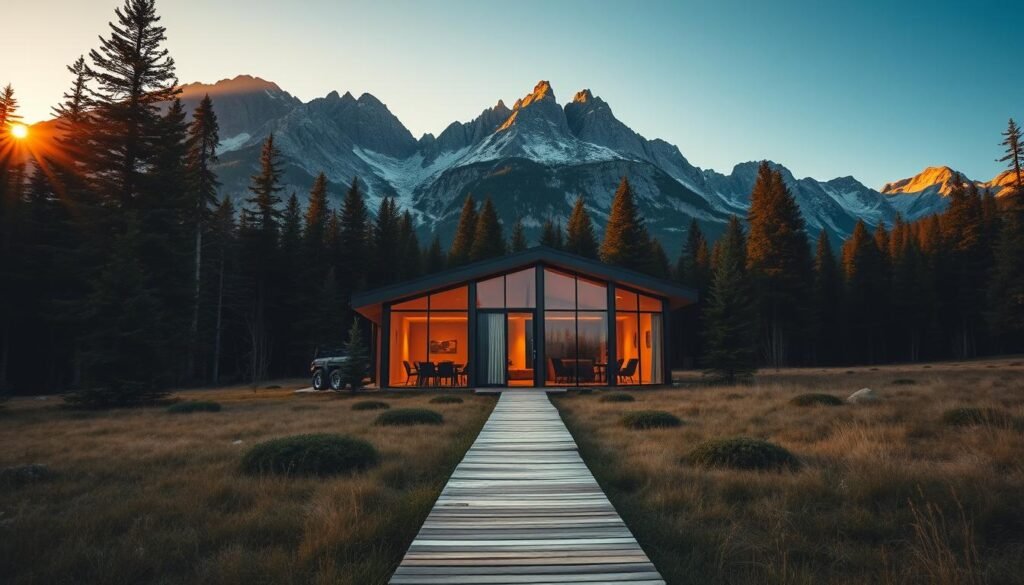
Tech Backbone Meets Human Connection
Cary’s municipal fiber network delivers 10 Gbps speeds—fast enough to download a movie in 2 seconds. During my stay, I hosted seamless client calls from parks with free Wi-Fi zones. Austin and Seattle match this reliability while offering unique perks:
| City | Avg Internet Speed | Key Feature | Lifestyle Perk |
|---|---|---|---|
| Cary, NC | 300 Mbps | Free public coworking | Greenway trails |
| Austin, TX | 250 Mbps | 24-hour tech hubs | Live music culture |
| Seattle, WA | 275 Mbps | Storm-proof networks | Mountain views |
Rebuilding Communities Through Flexibility
Since the COVID-19 pandemic, these areas transformed vacant spaces into creativity incubators. Seattle converted a former factory into Works Progress—a coworking space with childcare and climbing walls. Austin’s “Digital Nomad Happy Hours” now draw 200+ attendees weekly. As one local organizer told me, “We’re not just surviving remote work—we’re thriving through it.”
What seals the deal? Morning surf sessions before Seattle meetings. Family picnics in Cary’s botanical gardens. These locations prove you don’t need to choose between career growth and personal joy.
Real-World Examples and Success Stories
Last spring, I watched a software developer in Cary, NC, close a six-figure deal while kayaking on Jordan Lake. This blend of productivity and adventure defines modern success for location-independent professionals. Let’s explore how specific hubs make this possible.

Case Study: Cary’s Blueprint for Digital Nomads
Cary’s 41.4% remote workforce didn’t happen by accident. The town’s municipal fiber network delivers speeds up to 10 Gbps—20x faster than the national average. During my visit, I met employees from Google and Red Hat working from coworking spaces with rooftop gardens. One project manager shared: “My $1,200/month apartment includes access to a private Zoom booth.”
Key metrics explain why professionals thrive here:
- Median home price 18% below Raleigh’s average
- 97% employee satisfaction rate in Qualtrics’ 2023 survey
- Free community events like “Laptop & Latte Wednesdays”
Tech Hubs Rewriting the Rulebook
Austin’s coworking culture shines at spaces like WeWork Labs, where I attended a pitch session between taco trucks. Seattle’s housing market offers surprising deals—studio apartments near tech corridors start at $1,800, comparable to Brooklyn’s $3,500 average.
| City | Avg Internet Speed | 1-Bedroom Rent | Coworking Spaces |
|---|---|---|---|
| Cary, NC | 300 Mbps | $1,450 | 14 |
| Austin, TX | 250 Mbps | $1,650 | 32 |
| Seattle, WA | 275 Mbps | $1,950 | 28 |
A Denver-based designer summarized it best: “These cities don’t just support remote work—they celebrate it with infrastructure that feels human.” From affordable living to reliable internet, they prove environment shapes outcomes as much as effort.
Tips and Tricks for Thriving as a Remote Worker
Two weeks into my first fully remote job, I realized my kitchen table wasn’t cutting it. Productivity thrives when your environment aligns with your workflow—whether that’s a home office with noise-canceling headphones or a coworking space buzzing with creative energy. Let’s explore how to design routines and spaces that fuel success.

Setting Up a Dedicated Home or Coworking Space
Your workspace impacts focus more than you think. The CDC recommends positioning screens at eye level and using chairs with lumbar support. I’ve found three non-negotiable factors:
- Lighting: Natural light reduces eye strain (Harvard Business School links it to 15% productivity boosts)
- Boundaries: Use room dividers or designated tech-free zones
- Backup plans: Identify nearby cafes with strong Wi-Fi for power outages
HubSpot’s remote teams swear by “commute rituals”—like walking around the block before logging on. One colleague in Austin told me, “My standing desk faces a window—it tricks my brain into ‘office mode’.”
Staying Connected and Managing Your Time Effectively
Loneliness creeps in when video calls replace watercooler chats. I combat this with:
| Tool | Purpose | Frequency |
|---|---|---|
| Slack Donut | Random coworker meetups | Weekly |
| Focusmate | Virtual coworking sessions | Daily |
| Local Meetups | In-person networking | Monthly |
Time-blocking changed everything for me. I schedule creative work during peak energy hours and save meetings for afternoons. As one Lisbon-based nomad shared, “Google Calendar alerts remind me to step away—balance isn’t optional.”
Conclusion
During a sunrise hike in Bali, I finalized a client proposal with better focus than any office meeting. This journey taught me that success in location-independent careers hinges on three elements: reliable infrastructure, community connection, and environments that spark joy.
Studies from Qualtrics and Pew Research confirm what I’ve seen firsthand—professionals thrive where fast internet meets affordable living. Cary’s municipal fiber network and Lisbon’s Digital Nomad Visa program prove cities are adapting to support flexible lifestyles. Yet challenges remain: 42% still battle isolation, and stormy Wi-Fi can derail deadlines.
Your ideal destination isn’t just about download speeds. It’s about access to parks where you brainstorm freely, cafes that become conference rooms, and neighbors who double as collaborators. The developer coding from Medellín’s hillsides and the designer pitching ideas in Denver’s gardens show what’s possible.
Take those workspace tips to heart. Try time-blocking like Lisbon nomads or coworking rituals from Austin. Every choice—from your chair’s lumbar support to your café’s latte art—shapes outcomes.
Here’s the secret: Your best work happens when your environment aligns with your values. Whether that’s beachside brainstorming or mountain-view meetings, the world’s waiting to become your office. Ready to write your next chapter?
