

Three years ago, I traded my cubicle for a laptop and a passport. Today, I want to share how remote work flexibility transformed my life – and why certain destinations stand out for those craving cultural immersion and professional growth. The thrill of working from a seaside café or a mountain co-working space never gets old!
Recent updates from Mon Priya’s March 2025 report reveal exciting changes. Several nations now offer streamlined visa programs specifically designed for location-independent professionals. These aren’t just travel permits – they’re golden tickets to affordable healthcare, tax benefits, and extended stays.
What makes certain locations ideal? Imagine fast Wi-Fi paired with historic architecture, or vibrant expat communities nestled in wine country. Local economies are actively courting remote workers through initiatives like discounted coworking memberships and networking events. It’s a win-win: professionals gain inspiring workspaces, while communities boost their tourism and innovation sectors.
Throughout this guide, I’ll break down essential details about residency requirements, hidden costs, and unexpected perks. Whether you’re drawn to coastal trails, urban tech hubs, or farm-to-table culinary scenes, there’s a perfect basecamp waiting. Let’s explore how to turn “work from anywhere” from a dream into your daily reality!
Key Takeaways
- Updated visa programs (March 2025) simplify relocation for remote professionals
- Host countries benefit from increased spending on local services and housing
- Cultural experiences enhance creativity and work-life balance
- Cost comparisons reveal surprising affordability in key European/North American hubs
- Remote work infrastructure continues expanding globally
My Journey into the Digital Nomad Lifestyle
Week three of pandemic lockdowns sparked my revelation: Why pay Manhattan rent when the world’s my office? My first attempt at remote work involved juggling Zoom calls from a Costa Rican treehouse – complete with howler monkey interruptions. That’s when I discovered specialized nomad visas, legal pathways offering stability beyond tourist stays.
Navigating visa requirements became my unexpected side hustle. I’ll never forget the 37-page application for a European program requiring notarized bank statements and vaccination records. Yet the payoff amazed me: six countries’ programs offered better healthcare access than my US insurance at half the cost.
Living expense contrasts shocked me most. My $4,500 NYC studio budget now covers:
| City | Rent | Coworking Space | Meal Deal |
|---|---|---|---|
| Mexico City | $850 | $120/mo | $4 tacos |
| Tallinn | $700 | Free with visa | $8 lunch |
| Chiang Mai | $300 | $50/mo | $1.50 noodles |
| Buenos Aires | $600 | $90/mo | $3 steak |
Finding community transformed everything. Lisbon’s weekly remote worker meetups taught me more about productivity hacks than any corporate training. When my Croatian visa hit a snag, five digital nomads from a Facebook group helped translate documents within hours.
The journey isn’t all sunset selfies – I’ve endured Wi-Fi deserts and visa panic attacks. But watching sunrise over Angkor Wat while drafting client reports? That beats fluorescent office lights any Tuesday. Ready for the nitty-gritty? Let’s unpack those best locations and visa strategies next.
Spain, Canada, Portugal: 10 best countries for digital nomads 2025
Choosing where to plant your laptop can shape your entire remote work experience. Three destinations consistently rise to the top for their unique blend of infrastructure, lifestyle perks, and welcoming policies. Let’s explore what makes these locations magnets for professionals seeking adventure without career compromise.
Cultural energy meets affordability in the Iberian hotspot. Think siestas between video calls, €2 midday menú del día lunches, and visa programs allowing stays up to 12 months. Workers live amidst UNESCO sites while enjoying fiber-optic speeds – a rare mix of old-world charm and modern convenience.
North America’s gem offers healthcare coverage that made my jaw drop. One friend’s $120 monthly plan covered dental and mental health services – unheard of back home. Remote work communities here organize lakefront co-working retreats and winter skill-sharing workshops. Income requirements sit around $3,500/month, but the quality-of-life payoff justifies it.
The coastal European standout delivers low cost living without sacrificing connectivity. I’ve seen nomads thrive here on $1,800/month, thanks to:
- Tax incentives slashing income rates by 20%
- €650 modern apartments with ocean views
- Free Portuguese language classes through local hubs
Each location cultivates distinct rhythms. Morning surf sessions before European market opens? Sunset coding sessions overlooking maple forests? The choice depends on whether you prioritize budget, community, or cultural immersion. One truth holds: these nations have cracked the code for workers wanting to live work adventures, not just dream about them.
Understanding the Digital Nomad Visa Landscape
My first visa rejection letter arrived on a rainy Tuesday – all because I misunderstood “remote work” classifications. This experience taught me how specialized permits differ from traditional travel documents. Governments now recognize location-independent professionals as economic assets, creating tailored programs that blend work authorization with residency perks.
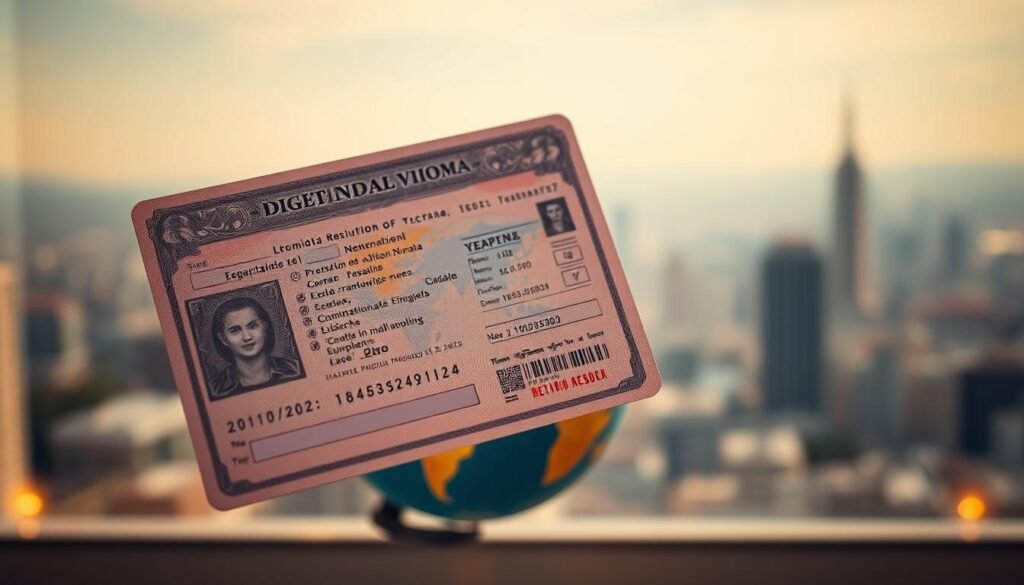
What Defines a Digital Nomad Visa?
These unique permits allow temporary residency without local employment ties. Unlike standard work visas requiring employer sponsorship, they prioritize proof of foreign-sourced income. Most programs demand:
- Minimum monthly earnings between $2,000-$4,500
- Health insurance coverage valid in the host nation
- Clean criminal record from home and previous countries
I’ve seen applicants stumble over employment verification. One friend nearly lost her application by submitting freelance contracts instead of bank statements showing consistent deposits. Always check whether your host country requires employment letters or financial proofs.
Visa Requirements and Income Thresholds
Income requirements vary dramatically. Coastal European destinations often ask for higher thresholds but offer tax reductions. North American programs typically combine moderate income bars with healthcare access. Consider these comparisons:
| Location | Minimum Income | Visa Duration | Key Benefit |
|---|---|---|---|
| Iberian Peninsula | $2,400/mo | 12 months | 20% tax rate |
| North American Hub | $3,500/mo | 24 months | Public healthcare |
| Atlantic Coast | $1,800/mo | 6 months | Free coworking |
Three common myths I’ve debunked: 1) You need a local bank account immediately 2) Visa approval guarantees tax residency 3) All income must come from one client. Truth is, many programs accept multiple income streams and don’t require immediate fiscal integration.
When preparing documents, gather:
- Six months of bank statements
- Employment verification letters
- Passport-style photos meeting specific size requirements
One pro tip: Notarize documents early. Last-minute authentication appointments delay applications more than incomplete forms.
Exploring Spain’s Nomad Paradise
I’ll never forget the morning I drafted a client proposal from a sunlit plaza in Granada, sipping café con leche while flamenco guitar drifted through orange trees. This Mediterranean gem blends productivity with passion like nowhere else. Let’s unpack why remote professionals flock here – and how to make it your temporary home.
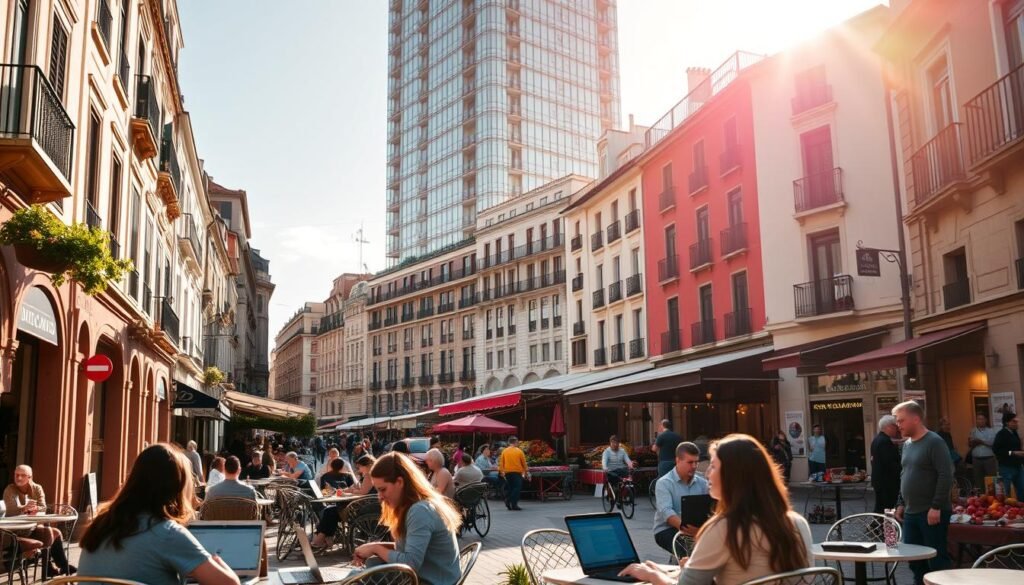
Cultural Richness and Affordable Living
Spanish cities offer historic charm meets modern convenience. Valencia’s Turia Gardens provide free outdoor workspaces, while Madrid’s coworking hubs host weekly paella nights. My €12 daily budget covered:
- Fresh market lunches (€5-8)
- High-speed metro rides (€2)
- Evening tapas with local creatives
Seville surprised me most – a furnished one-bedroom near the cathedral cost €650/month. The Beckham Law tax regime slashes rates to 24% for qualifying workers, making financial planning easier than in many EU destinations.
Navigating Spain’s Digital Nomad Visa Process
Approval hinges on three key elements:
- Proof of €2,300+ monthly income (bank statements)
- Health insurance covering Spanish territory
- Clean criminal record from your home country
One pro tip: Get documents apostilled early. I saved weeks by using a Madrid-based gestoría (administrative helper) to handle bureaucracy. Successful applicants gain access to co-living spaces hosting skill-sharing workshops – I once joined a coding seminar inside a 15th-century monastery!
Experiencing Remote Work in Canada
Picture this: drafting emails while snowflakes dance outside your window, then joining colleagues for maple syrup-infused brainstorming sessions. Canada’s blend of frosty wonderlands and urban warmth creates a unique rhythm for remote professionals. The secret sauce? Communities that celebrate diversity while helping newcomers thrive.

Where Healthcare Meets Heartwarming Connections
During my first winter here, I discovered why locals embrace the cold. Cozy coworking spaces with fireplace lounges offset -20°C temps outside. Weekly “snowga” (snow yoga) meetups in Quebec City turned strangers into accountability partners. Three key perks stood out:
- Free language exchange programs in multicultural cities like Toronto
- Provincial health plans covering mental health services
- Indoor farmer’s markets serving as impromptu networking hubs
Living costs vary wildly – my Vancouver studio ($1,800/month) felt steep until I realized utilities included high-speed internet and gym access. Compare this to Halifax:
| Expense | Vancouver | Montreal | Calgary |
|---|---|---|---|
| 1-bedroom | $1,950 | $1,200 | $1,100 |
| Groceries | $400 | $300 | $350 |
| Transit Pass | $105 | $90 | $110 |
Canada’s digital nomad visa requires proof of $3,500/month income but unlocks a 2-year stay with healthcare access. I’ve watched remote workers transform icy mornings into productive magic – hot chocolate in hand, moose wandering past their cabin offices. It’s not just surviving winter; it’s rewriting what work-life balance means.
Discovering Portugal’s Remote Work Culture
The scent of salt air mixing with freshly baked pastéis de nata still lingers from my first Lisbon sunrise work session. This coastal European gem masterfully stitches historic charm to modern work perks, creating an environment where ancient tram routes pass glass-walled coworking hubs.

Remote professionals flock here for the D8 residency permit – a gateway offering:
- 12-month stays (renewable for 2 years)
- 20% flat tax rate under the NHR scheme
- €3,040/month income threshold
Sweetening the Deal for Location-Independent Workers
My favorite discovery? Tax incentives apply even to freelance side hustles. One graphic designer friend pays €400 less monthly here than in Berlin while enjoying faster internet speeds. Coastal cities like Porto blend affordability with creative energy – think €6 coworking days ending with Douro River wine tastings.
Local communities make transitions seamless. Lisbon’s Digital Nomads Portugal group organizes:
- Weekly skill-sharing meetups
- Apartment hunting assistance
- Portuguese language crash courses
Compared to other destinations, the visa process feels refreshingly straightforward. No apostilled documents required – just proof of income and health coverage. As one local entrepreneur told me: “We want your ideas, not just your euros.” That welcoming spirit turns temporary stays into transformative experiences.
Lifestyle, Cost of Living, and Tax Incentives for Nomads
Mornings spent coding to the sound of crashing waves taught me the art of blending productivity with adventure. Finding this equilibrium requires smart budgeting and leveraging location-specific perks. Let’s explore how to stretch your income while soaking up cultural experiences.
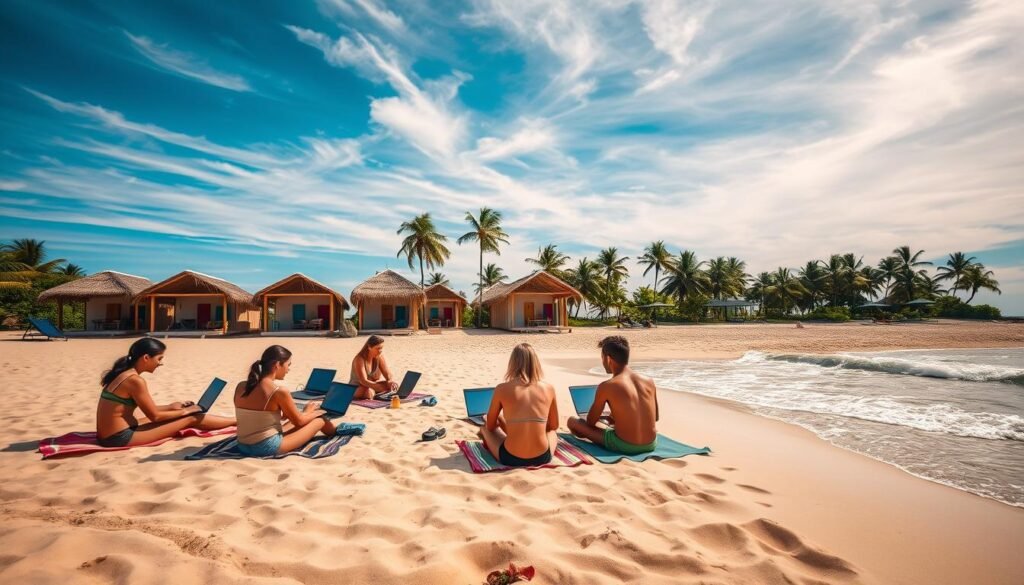
Balancing Work and Leisure on a Budget
Successful nomads treat time zones as allies. I schedule client calls during European mornings, freeing afternoons to explore coastal trails or historic sites. Three strategies keep costs low:
- Book monthly rentals during off-peak seasons
- Use coworking spaces offering day passes
- Join local free walking tours for networking
Compare these popular destinations:
| Location | Monthly Rent | Meal Cost | Beach Access |
|---|---|---|---|
| Southeast Asia Hub | $450 | $2-5 | 5-minute walk |
| Mediterranean Gem | $800 | $8-12 | 10-minute drive |
| Latin American Hotspot | $600 | $4-7 | Direct beachfront |
Optimizing Tax Benefits While Living Abroad
Many applicants overlook golden opportunities in visa programs. The Portuguese NHR scheme slashes tax rates for 10 years, while some Mediterranean destinations exempt foreign-earned income. Key moves:
- Maintain detailed records of workdays spent in each country
- Consult cross-border tax specialists before applying
- Use accounting software tracking multiple currencies
One friend reduced her tax bill by 30% using a European digital nomad visa. “The application process took weeks,” she admits, “but the long-term savings funded six extra months of travel.”
Safety, Community, and Quality of Life Considerations
My first solo grocery run in Belgrade taught me a vital lesson: Feeling secure shapes every aspect of nomadic life. While choosing destinations, I prioritize neighborhoods with 24/7 pharmacies and reliable public transit. Cities like Valencia and Vancouver stand out for their low crime rates and expat-friendly emergency services.
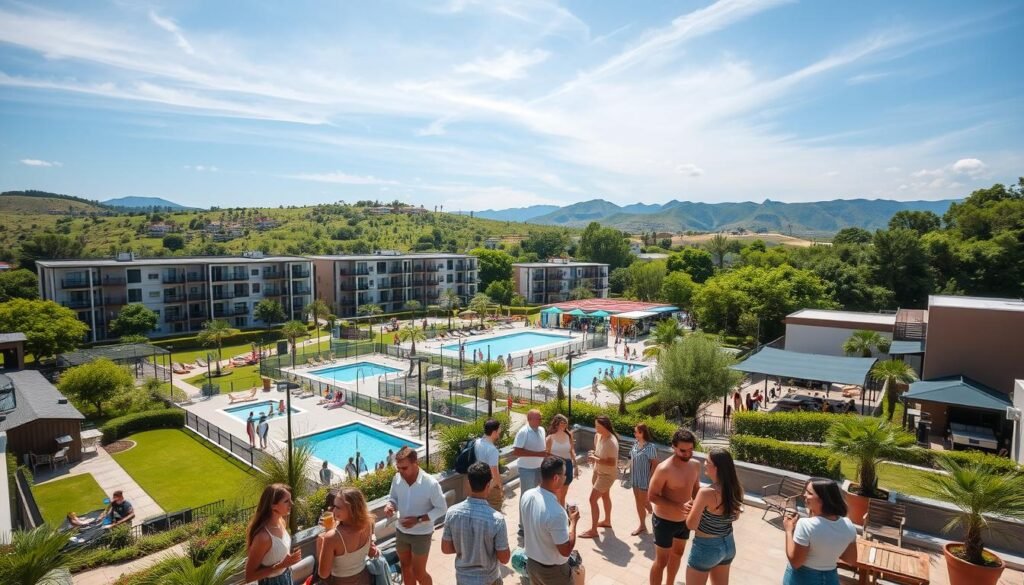
Building a Supportive Expat Network
Strong communities transform unfamiliar cities into home. I’ve joined language exchange meetups that doubled as safety workshops – locals sharing which areas to avoid after dark. Three strategies helped me build connections:
- Attending coworking space open houses during my first week
- Volunteering at community gardens to meet families
- Using apps like Meetup for hobby-based groups
Families should research childcare options early. Montreal’s bilingual daycare waitlists often stretch 6 months, while Lisbon offers affordable nanny shares through expat forums. Regular video calls with loved ones back home became my Sunday ritual – screen time that’s equal parts comforting and grounding.
Local infrastructure matters more than Instagrammable views. Toronto’s PATH underground network lets workers dodge winter storms, while Barcelona’s bike lanes make commutes safer than many US cities. After 18 months across three continents, I’ve learned: True freedom comes from feeling supported, not just untethered.
Practical Tips for a Smooth Transition to Remote Work Abroad
The moment I realized my office could be anywhere with Wi-Fi changed everything. Start by testing remote work setups during vacations – weekend trips reveal if you thrive in mountain cabins or bustling cityscapes. My three-phase approach works wonders:
- Notarized birth certificates
- 6 months of bank statements
- Vaccination records (physical + digital)
I save scanned copies in password-protected cloud folders. For visa applications, track submission dates like a hawk – set calendar alerts for follow-ups.
Phase 2: Location Scouting
Research landscapes that fuel productivity. Coastal towns might inspire creativity, while urban hubs offer networking events. Join Facebook groups like “Digital Nomad Nest Finders” to get local insights on:
- Reliable internet providers
- 24-hour cafes
- Emergency medical facilities
Phase 3: Work Culture Alignment
Adapting to new time zones requires strategy. If working with US teams from Europe, block afternoons for meetings. Freelancers should clarify payment methods – Wise and PayPal work globally, but some platforms restrict certain countries.
Finding your ideal spot involves balancing company requirements with personal needs. Corporate remote workers often need VPN access, while entrepreneurs prioritize coworking spaces with strong communities. My golden rule? Visit potential bases for 2-3 weeks before committing long-term.
Conclusion
The morning I realized my office view could change weekly sparked a permanent shift in how I approach work. These destinations prove that location-independent careers thrive where cultural richness meets practical perks – from tax breaks to visa flexibility. Whether drawn to historic architecture or modern coworking hubs, opportunities abound for those ready to reimagine their workspace.
Through trial and error, I’ve learned that successful transitions balance adventure with planning. Streamlined visa programs now make extended stays achievable, while communities welcome remote professionals with open arms. My favorite discoveries? Coastal towns offering free language classes and cities where medieval plazas double as brainstorming spots.
If you’re craving sunrise work sessions with new horizons, start exploring programs designed for location-independent professionals. Update your documents, research regional tax incentives, and connect with expat groups. The hardest part isn’t the paperwork – it’s taking that first leap toward a life where every day feels like discovery.
Thank you for joining me on this journey. May your next video call backdrop inspire someone else to chase their own version of work-life magic!
