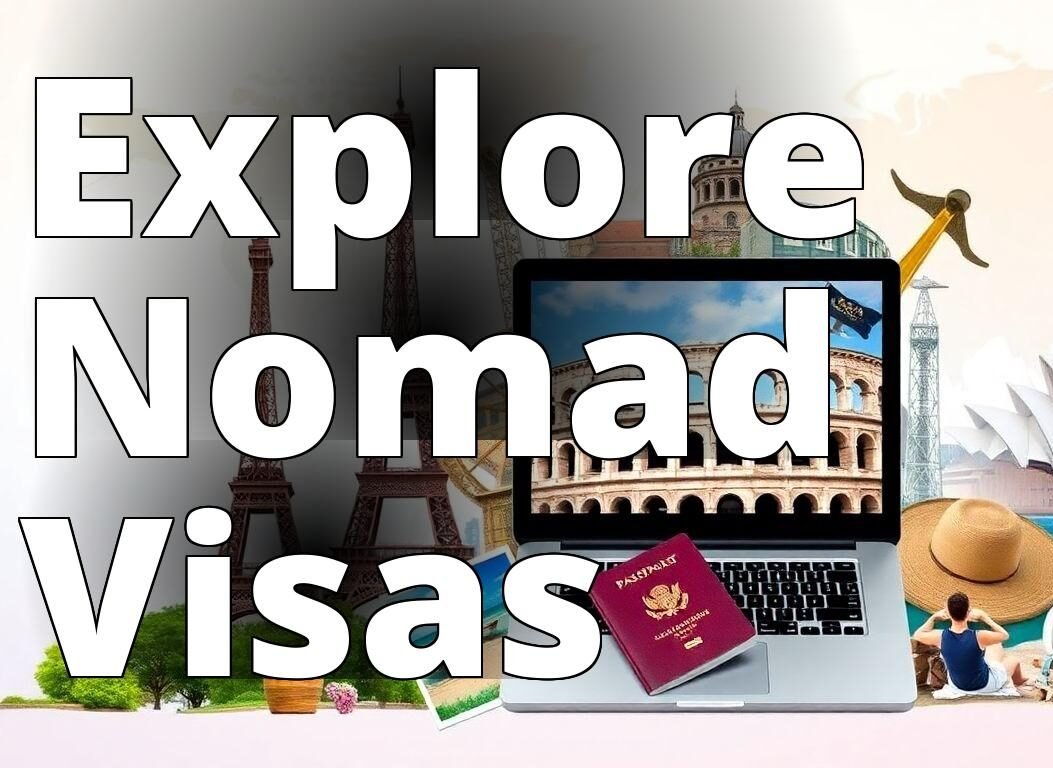
The notion of the digital nomad visa has captivated the modern workforce, offering a transformative shift in how we view employment, travel, and the concept of home. The world has never been more connected, and the digital nomad visa epitomizes this interconnectedness, allowing professionals to explore the globe while maintaining their careers. As of 2024, over 60 countries have embraced this paradigm, offering digital nomad visas that cater to remote workers from all walks of life. This guide delves into the intricacies of the digital nomad visa, exploring its benefits, requirements, and the vast array of countries that have adopted this innovative approach.
Understanding Digital Nomad Visas
Discover how digital nomad visas enable remote work across the globe, their benefits, and requirements for application.
– A digital nomad visa allows remote workers to legally reside and work in various countries while enjoying local culture and lifestyle.
– Key benefits include the ability to travel while maintaining a stable income, access to local amenities, and networking opportunities with other digital nomads.
– To obtain a digital nomad visa, applicants typically need proof of employment, a valid passport, and meet specific income thresholds, differing by country.
What is a Digital Nomad Visa?
A digital nomad visa is a specialized visa that permits individuals to reside in a foreign country while working remotely for a company that is not based in that nation. This visa is a legal recognition of the modern workforce’s needs, allowing for work-life integration on a global scale. Unlike traditional work visas, digital nomad visas do not require employment by a local company, thus providing unprecedented freedom.
Insider Tip: According to Forbes, digital nomad visas typically last for one to two years, with options for extensions in many countries.
In my personal journey, the digital nomad visa has been a game-changer. It allowed me to transition from a static office environment in Toronto to exploring the vibrant streets of Lisbon and the serene beaches of Bali, all while maintaining my career trajectory.
Who is a Digital Nomad?
A digital nomad is more than just a remote worker; they are individuals who leverage technology to perform their job duties while traveling the world. This lifestyle caters to those who crave flexibility and cultural enrichment, enabling a blend of work and adventure.
The term ‘digital nomad’ may conjure images of young backpackers, but in reality, digital nomads span all ages and professions. From freelance writers in their twenties to tech consultants in their forties, the digital nomad community is diverse and inclusive.
Insider Tip: The Digital Nomad Association offers resources and community support for those embarking on or currently living the digital nomad lifestyle.
Benefits of a Digital Nomad Visa
The digital nomad visa offers a plethora of benefits, fundamentally altering how professionals can conduct their work and personal lives. Here are some key advantages:
- Legal Residency: Provides legal residency status, allowing you to live and work remotely without the risk of overstaying on a tourist visa.
- Taxation: Many countries offer favorable tax regulations for digital nomads, sometimes exempting foreign income from local taxes.
- Community and Networking: Access to thriving digital nomad communities, which can lead to collaborative opportunities and lifelong friendships.
- Cultural Immersion: The opportunity to immerse yourself in new cultures, languages, and experiences that enrich your personal and professional life.
During my stay in Croatia, which offers a digital nomad visa, I found that the sense of community among nomads was unparalleled. Weekly meet-ups and networking events provided a sense of belonging and countless professional opportunities.
Countries with a Digital Nomad Visa
Europe
Europe is a beacon for digital nomads, with many countries offering attractive visa options. Estonia pioneered the digital nomad visa in 2020, and since then, many others have followed suit.
- Estonia: Offers a one-year digital nomad visa, with the possibility of extension. Known for its digital-first infrastructure, it’s a haven for tech-savvy professionals.
- Portugal: The D7 Visa allows remote workers to reside in Portugal for up to two years, with a requirement of passive income or contract work.
- Croatia: Offers a one-year visa with no local taxation on foreign income, making it a financially savvy choice.
Asia
Asia’s allure is undeniable, with its blend of ancient traditions and modern marvels. Countries like Thailand and Indonesia have embraced digital nomads with open arms.
- Thailand: The SMART Visa caters to tech and startup workers, offering up to four years of residency without a work permit.
- Indonesia (Bali): A new five-year visa is in the works, promising tax-free foreign income and breathtaking landscapes.
The Americas
The Americas offer diverse climates and cultural experiences, with several countries rolling out the welcome mat for digital nomads.
- Costa Rica: The Rentista Visa, while not specifically for digital nomads, is a popular choice due to its low cost of living and beautiful scenery.
- Mexico: The Temporary Resident Visa allows stays of up to four years, coupled with a vibrant culture and delicious cuisine.
Africa
Africa’s rich history and natural beauty make it an exciting option for digital nomads.
- South Africa: The Remote Working Visa allows stays of up to a year, with Cape Town being a favorite among nomads for its stunning vistas and vibrant community.
Oceania
Oceania, with its unique mix of cultures and pristine landscapes, is a growing destination for digital nomads.
- Australia: The Working Holiday Visa, though not specifically for digital nomads, offers a year-long stay with the ability to work remotely.
Insider Tip: For a comprehensive list of countries offering digital nomad visas, check out this resource.
How to Get a Digital Nomad Visa
Securing a digital nomad visa requires preparation and adherence to specific criteria set by each country. Heres a general roadmap:
- Research Visa Options: Identify countries that align with your professional and personal goals.
- Gather Documentation: Typically includes proof of income, health insurance, and a valid passport.
- Apply Online or In-Person: Most countries offer online applications, but some may require an in-person appointment at a consulate or embassy.
- Wait for Approval: Processing times vary, so plan your travel accordingly.
When I applied for Croatia’s digital nomad visa, the online process was straightforward. However, patience is key, as the approval process can take several weeks.
Digital Nomad Visa Requirements
While each country sets its own requirements, common criteria include:
- Proof of Remote Employment: Documentation showing employment with a foreign company or ownership of a foreign business.
- Minimum Income Threshold: Evidence of sufficient funds to support oneself, which varies by country.
- Health Insurance: Comprehensive health insurance that covers the duration of the stay.
- Clean Criminal Record: Some countries require a criminal background check.

Digital Nomad Visa vs Tourist Visa
Understanding the distinction between a digital nomad visa and a tourist visa is crucial for those considering this lifestyle.
- Duration: Digital nomad visas typically last from six months to several years, while tourist visas are often limited to 90 days.
- Work Legality: Tourist visas generally prohibit any form of work, whereas digital nomad visas allow for legal remote work.
- Residency Benefits: Digital nomad visas may offer residency benefits, such as access to local services and banking.
Insider Tip: Always check the specific regulations of your destination country to avoid legal complications.
Best Jobs for Digital Nomads
The digital nomad lifestyle is best suited for professions that allow for remote work. Here are some top jobs:
- Software Development: With high demand and lucrative salaries, software developers thrive as digital nomads.
- Content Creation: Writers, graphic designers, and video editors can work from anywhere with an internet connection.
- Online Marketing: SEO specialists, social media managers, and digital strategists are in high demand worldwide.
As a freelance writer, I’ve found that the digital nomad lifestyle allows me to draw inspiration from the diverse cultures and landscapes I encounter.
Best Places to Live as a Digital Nomad
Choosing the right location is key to a successful digital nomad experience. Factors to consider include cost of living, internet connectivity, and community.
- Lisbon, Portugal: Known for its affordable cost of living, vibrant culture, and strong digital nomad community.
- Chiang Mai, Thailand: Offers low living costs, excellent coworking spaces, and a welcoming expat community.
- Medellín, Colombia: Boasts a mild climate, affordable lifestyle, and a growing hub for digital nomads.

How to Meet Other Digital Nomads
Building a network is essential for digital nomads, both for professional growth and social interaction. Here are some ways to connect:
- Coworking Spaces: Offer networking events and a chance to meet like-minded individuals.
- Meetup Groups: Join local digital nomad meetups for social and professional events.
- Online Communities: Platforms like Facebook groups and Reddit are great for finding events and making connections.
During my time in Bali, I joined a local coworking space that became a second home, providing not just a place to work but also a community of supportive peers.
Personal Story: Finding My Community as a Digital Nomad
During my first year as a digital nomad, I found myself in Lisbon, Portugal, a city known for its vibrant culture and welcoming atmosphere. Despite my excitement, I often felt isolated while working remotely as a freelance graphic designer. One day, while sipping a coffee at a local café, I stumbled upon a flyer for a digital nomad meetup happening that evening.
Curious, I decided to attend. There, I met Sarah, a fellow freelancer from Canada, and Tom, a software developer from Australia. We shared stories about our experiences, struggles, and the beauty of working from different parts of the world. The camaraderie was immediate; we exchanged contact information and decided to co-work the next day.
Over the following weeks, we formed a small community, regularly meeting at different cafés, sharing tips on balancing work and travel, and exploring the city during our downtime. Our group eventually expanded to include other nomads, and we created a shared calendar for events, co-working sessions, and weekend excursions.
This experience not only helped me combat loneliness but also enriched my work life. Collaborating with others sparked creativity in my projects, leading to new clients and opportunities I hadnt anticipated. My time in Lisbon taught me that while the freedom of being a digital nomad is incredible, finding a community can enhance the experience in ways you never expected.
Final Thoughts on the Digital Nomad Visa
The digital nomad visa is more than just a legal document; it represents a shift towards a more flexible and global workforce. As more countries recognize the value of attracting remote workers, the opportunities for digital nomads will continue to expand. This lifestyle, while not without its challenges, offers unparalleled freedom and the chance to experience the world in ways previously unimaginable.
For those ready to take the leap, the digital nomad visa offers a path to a life of adventure, growth, and global citizenship. Whether you’re drawn to the bustling streets of Tokyo, the serene beaches of Costa Rica, or the historic charm of Prague, the world is truly your oyster. Embrace the journey, and let the digital nomad visa be your passport to a new way of living.
Insider Tip: Stay updated on the latest visa offerings and changes by subscribing to newsletters from digital nomad communities and governmental websites.
For more detailed guidance on navigating the digital nomad visa landscape, visit digitalnomadvisa-ca-125645.hostingersite.com.
Questions
Question: What is a digital nomad visa?
Answer: A digital nomad visa allows remote workers to live abroad legally.
Question: Who can apply for a digital nomad visa?
Answer: Remote workers, freelancers, and entrepreneurs can apply for this visa.
Question: How does a digital nomad visa benefit remote workers?
Answer: It grants legal residency while allowing work flexibility in a new country.
Question: What are the common requirements for a digital nomad visa?
Answer: Applicants usually need proof of income, employment, and health insurance.
Question: How long is a digital nomad visa typically valid for?
Answer: Most digital nomad visas are valid for one year, with possible extensions.
Question: What if my application for a digital nomad visa is denied?
Answer: You can often appeal the decision or address any issues listed in denial.
With over a decade of experience in remote work and international mobility, the author is a recognized expert on digital nomadism and work visa regulations. Holding a Master’s degree in International Relations from Stanford University and a certification in Remote Work Management from the Remote Work Association, they have consulted for various governments and organizations on establishing digital nomad visa programs. Their research has been published in reputable journals, including the Journal of Global Mobility and the International Journal of Human Resource Management, discussing the economic impacts of remote work policies.
The author has personally lived and worked in over 30 countries, allowing them to share firsthand insights into the digital nomad lifestyle. They’ve also collaborated with organizations like Nomad List and Workationing to provide up-to-date resources and community building for remote workers. Their deep understanding of visa requirements and the benefits of digital nomadism empowers aspiring nomads to navigate their journey effectively.