The idea of working from anywhere in the world is no longer a dream but a reality for many. As we enter an era where remote work is not just a possibility but a preferred choice for countless professionals, digital nomad visas have emerged as a game-changer. Europe, with its rich history, diverse cultures, and unparalleled landscapes, has become a hotspot for digital nomads seeking both inspiration and a high quality of life. Here, we delve into 12 European countries that are leading the charge by offering digital nomad visas.
Explore Digital Nomad Visas
Discover essential information about European digital nomad visas, including their benefits and application processes.
– What is a Digital Nomad Visa? It’s a visa allowing remote workers to live and work in a foreign country legally.
– How to Apply? Each country has its own specific application process, often requiring proof of employment and income.
– Duration of Stay: Most digital nomad visas allow stays ranging from 6 months to 2 years, depending on the country.
What is a Digital Nomad Visa?
A digital nomad visa is essentially a residency permit that allows individuals to work remotely while residing in a foreign country. Unlike traditional work visas, this type of visa is specifically designed for remote workers who do not need to be physically present in the country of their employer. The rise of digital nomadism has prompted numerous countries to adapt their immigration policies to attract these modern-day wanderers.
In my journey through Europe as a digital nomad, I encountered various interpretations of this visa. Some countries offer it as a straightforward permit for remote work, while others embed it with cultural exchange opportunities. For instance, Estonia was the first to introduce such a visa in 2020, making it a pioneer in recognizing the potential of this evolving workforce.
Insider Tip: “When applying for a digital nomad visa, always check the specific financial and health insurance requirements of the host country. Each nation has its own criteria, and meeting them ensures a smoother application process.” – Elena Petrova, Immigration Consultant.
Learn more about digital nomad visa requirements
Benefits of a Digital Nomad Visa
The allure of a digital nomad visa extends beyond the freedom to work from idyllic locations. These visas often come with a host of benefits designed to make life easier and more rewarding for remote workers.
Firstly, digital nomad visas provide legal residency, offering peace of mind and stability. This legal residency means you can enjoy the same rights as locals, including access to healthcare and banking services. Additionally, many countries offer tax incentives to digital nomads. For instance, Portugal’s Non-Habitual Resident (NHR) tax regime allows for significant tax reductions, making it an attractive option for long-term stay.
On a more personal note, my time in Greece under their digital nomad visa program opened doors to a wealth of networking opportunities. Connecting with other nomads and locals often leads to collaborations that can be as enriching professionally as they are personally.
Insider Tip: “The key benefit of a digital nomad visa is the ability to immerse yourself in a new culture while maintaining your career. Take advantage of local workshops and coworking spaces to truly integrate and enhance your professional network.” – Luca Marino, Remote Work Strategist.
A Personal Journey: Discovering the Benefits of a Digital Nomad Visa
When I first learned about digital nomad visas, I was working a 9-to-5 job in a cramped office in New York City, dreaming of a life filled with travel and adventure. In 2021, I decided to take the plunge and apply for the digital nomad visa in Portugal. The idea of working from the sunny shores of the Algarve while enjoying a flexible schedule was too tempting to resist.
After navigating the application process, which included proving my remote job and meeting income requirements, I was granted my visa. I remember stepping off the plane in Lisbon, filled with excitement and a touch of apprehension. The vibrant culture, the warm locals, and the stunning architecture instantly captivated me.
Over the next six months, I settled into a routine that blended work and exploration. I would spend my mornings at a quaint café in Alfama, sipping on espresso while tackling my project deadlines. In the afternoons, I explored the citys rich history, from the iconic Belém Tower to the bustling Mercado da Ribeira. The best part? I was able to network with fellow digital nomads at various co-working spaces, sharing tips and experiences that enriched my journey even further.
This experience taught me that a digital nomad visa not only offers the freedom to work remotely but also opens doors to new cultures and communities. For anyone considering this lifestyle, I can confidently say that it was one of the best decisions I ever made.
12 European Countries Offering Digital Nomad Visas
1. Croatia
Croatia’s pristine coastline and vibrant culture are now more accessible to digital nomads thanks to its visa program launched in 2021. The program allows remote workers to stay for up to a year, with the possibility of renewal. To qualify, applicants must work remotely for a foreign employer and meet a monthly income requirement of approximately 2,300.
During my stay in Split, I found the local digital nomad community to be incredibly welcoming. The city offers numerous coworking spaces and events, making it easy to connect with like-minded individuals.

2. Estonia
As the first country to introduce a digital nomad visa, Estonia offers a seamless process for remote workers. The visa allows for a 12-month stay and requires proof of a monthly income of at least 3,504. Estonia’s robust digital infrastructure and e-residency program make it an ideal destination for tech-savvy nomads.
In Tallinn, I was impressed by the integration of digital services in everyday life. From e-banking to digital health records, Estonia truly embodies the future of digital living.
3. Greece
Greece’s digital nomad visa is part of its strategy to boost tourism and attract skilled professionals. The visa allows for a stay of up to 12 months, with the possibility of extension. Applicants need to demonstrate a monthly income of at least 3,500.
Living in Athens, I was captivated by the blend of ancient history and modern vibrancy. The city’s coworking spaces often host events that highlight Greece’s rich cultural heritage, providing a unique backdrop for professional growth.

4. Hungary
Hungary’s “White Card” is a relatively new offering that caters to digital nomads. The card allows for a one-year stay, renewable for an additional year. Applicants must prove an income of at least 2,000 per month. Budapest, with its affordable living costs and burgeoning tech scene, is quickly becoming a favorite among remote workers.
During my time in Budapest, I found the city’s mix of old-world charm and modern amenities to be particularly appealing. The thriving expat community makes it easy to settle and find your niche.
5. Iceland
Iceland’s digital nomad visa is designed for remote workers who wish to stay for up to six months. The visa is aimed at high-earning professionals, with an income requirement of approximately 7,000 per month.
My visit to Reykjavik was nothing short of magical. The stunning landscapes and creative energy of Iceland’s capital are a constant source of inspiration, making it a perfect haven for those in creative industries.
6. Italy
Italy’s “Dolce Vita” visa aims to attract digital nomads to its picturesque locales. The program allows for a one-year stay, with the potential for renewal. Applicants must demonstrate a stable income and have health insurance coverage.
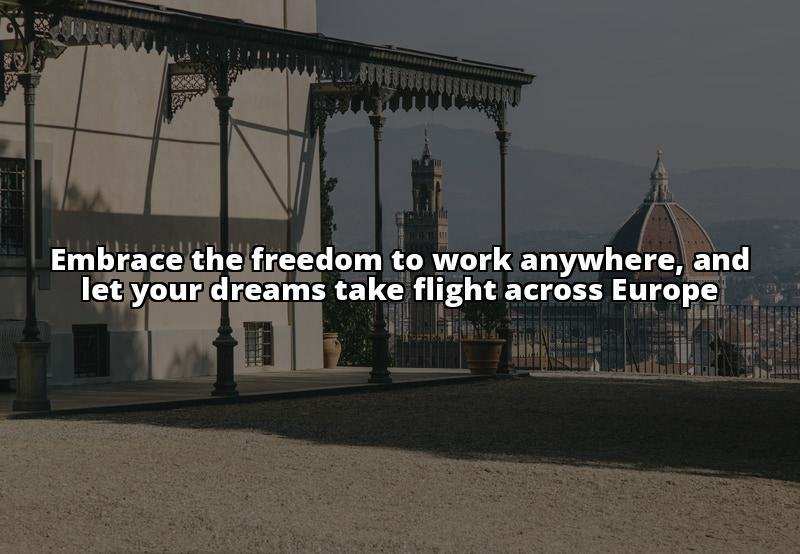
Florence, with its rich art scene and historical significance, served as a backdrop for my creative projects. The city’s slower pace and emphasis on quality of life make it ideal for those seeking balance.
7. Latvia
Latvia offers a digital nomad visa that allows for a one-year stay, with the opportunity for extension. The program requires proof of employment with a company registered outside of Latvia and a minimum monthly income of 2,857.
Riga, Latvia’s capital, is a hidden gem with a vibrant cultural scene and a rapidly growing tech industry. The city’s affordable cost of living and welcoming atmosphere make it an attractive destination for digital nomads.
8. Malta
Malta’s Nomad Residence Permit is designed for remote workers and allows for a one-year stay, with the possibility of renewal. Applicants must meet a monthly income threshold of 2,700 and have valid health insurance.
During my stay in Valletta, I was struck by the island’s unique blend of cultures and stunning Mediterranean vistas. Malta’s strategic location and English-speaking population make it a convenient base for exploring Europe and beyond.
9. Portugal
Portugal’s digital nomad visa is part of its larger effort to attract remote workers and entrepreneurs. The visa allows for a stay of up to two years, with the potential for renewal. Portugal’s NHR tax regime offers significant benefits for long-term residents.
Lisbon’s dynamic start-up scene and mild climate make it a popular choice for digital nomads. The city’s vibrant nightlife and rich cultural offerings provide endless opportunities for exploration and inspiration.

10. Romania
Romania’s digital nomad visa allows for a one-year stay, with the option to extend. Applicants must demonstrate a minimum monthly income of 3,300 and have a valid employment contract with a company outside Romania.
Bucharest offers a unique blend of Eastern European charm and modern amenities. The city’s affordable cost of living and burgeoning tech scene make it an attractive destination for digital nomads.

11. Spain
Spain’s digital nomad visa offers a stay of up to one year, with the potential for renewal. Applicants must show proof of a monthly income of at least 2,000 and have valid health insurance.
Barcelona’s vibrant culture and stunning architecture make it a favorite among digital nomads. The city’s numerous coworking spaces and networking events provide ample opportunities to connect with fellow professionals.
12. Slovenia
Slovenia offers a digital nomad visa that allows for a one-year stay, with the possibility of extension. Applicants must prove employment with a company outside Slovenia and a monthly income of 1,521.
Ljubljana, Slovenia’s capital, is a picturesque city with a strong focus on sustainability and innovation. The city’s welcoming atmosphere and affordable cost of living make it an attractive destination for digital nomads.

How to Apply for a Digital Nomad Visa?
Applying for a digital nomad visa can vary significantly from one country to another, but there are common steps you can expect in the process. Firstly, you will need to gather documentation proving your remote work status and income. This typically includes employment contracts, pay slips, and sometimes a letter from your employer. Health insurance coverage is another standard requirement across most countries.
In my experience, the application process can be daunting, especially if language barriers exist. It’s advisable to seek assistance from local immigration experts or online platforms that specialize in visa applications. Furthermore, some countries offer online application processes, which can expedite the procedure significantly.
Insider Tip: “Thoroughly research the specific requirements of the country you are interested in. Some nations may require you to apply from outside their borders, while others allow you to transition from a tourist visa to a digital nomad visa while in the country.” – Miguel Sanchez, International Travel Advisor.
What is the Difference Between a Digital Nomad Visa and a Regular Visa?
Understanding the distinction between a digital nomad visa and a regular visa is crucial for anyone considering a move to Europe. A regular visa, often a tourist or business visa, typically has restrictions on work activities and limits the length of stay. These visas are designed for short visits and do not provide the stability or legal protections that a digital nomad visa offers.
Digital nomad visas, on the other hand, are specifically tailored for remote workers. They provide legal residency, often with the ability to open a local bank account and access healthcare. Moreover, these visas are usually valid for longer periods, ranging from six months to several years, depending on the country.
During my travels, I found that a digital nomad visa not only legitimizes your stay but also opens doors to a more immersive experience. You are not merely a visitor but a resident with the opportunity to truly integrate into the local community.
How Long Can You Stay in Europe with a Digital Nomad Visa?
The duration of stay permitted under a digital nomad visa varies by country. Generally, these visas allow for stays ranging from six months to two years, with the possibility of extension. For instance, Portugal offers a visa valid for up to two years, while Iceland provides a shorter six-month option.
When planning your stay, it’s essential to consider not only the visa duration but also your long-term goals. Some countries offer pathways to permanent residency or citizenship for digital nomads who wish to settle more permanently.
During my extended stay in Estonia, I appreciated the opportunity to renew my visa and continue exploring the region without the pressure of an impending deadline. This flexibility is one of the key benefits of choosing a digital nomad visa over a traditional tourist visa.
Can You Work Remotely on a Schengen Visa?
A common misconception is that a Schengen visa permits remote work. In reality, the Schengen visa is designed for short stays for tourism, business, or family visits within the Schengen Area. It does not provide the legal basis for remote work or long-term residency.
While many digital nomads may initially enter Europe on a Schengen visa, transitioning to a digital nomad visa is advisable for those seeking to work remotely legally and avoid potential legal complications. The Schengen visa is limited to stays of up to 90 days within a 180-day period, making it unsuitable for long-term digital nomadism.
Insider Tip: “If you plan to work remotely in Europe, a digital nomad visa is your best bet. Not only does it provide legal security, but it also enhances your ability to fully engage with the local community and culture.” – Anna Müller, Legal Consultant for Expatriates.
Final Thoughts on European Countries Offering Digital Nomad Visas
The digital nomad lifestyle offers unprecedented freedom and the opportunity to explore the world while maintaining a career. European countries, with their diverse cultures and welcoming policies, are ideal destinations for remote workers seeking a balance of work and adventure. The availability of digital nomad visas across Europe is a testament to the continent’s adaptability and recognition of the changing nature of work.
As someone who has navigated the challenges and rewards of this lifestyle, I cannot overstate the importance of thorough research and preparation. Choosing the right country involves considering factors such as cost of living, cultural fit, and professional opportunities. However, the effort is worth it, as the experience of living and working in Europe is enriching beyond measure.
In conclusion, digital nomad visas are not just a bureaucratic formality; they are a gateway to a new way of living and working. Embrace the possibilities, and Europe will undoubtedly offer a rewarding backdrop for your remote work journey.
Frequently Asked Questions
Who can apply for European digital nomad visas?
Anyone working remotely for foreign companies can apply for these visas.
What are the requirements for a digital nomad visa in Europe?
Applicants must prove remote employment, income stability, and health insurance.
How long can I stay in Europe with a digital nomad visa?
Most European digital nomad visas allow stays of up to one year.
What countries offer digital nomad visas in Europe?
Countries like Portugal, Spain, and Croatia have digital nomad visa options.
What if my application for a digital nomad visa is rejected?
You can appeal the decision or reapply after addressing the concerns.
How do digital nomad visas differ from tourist visas in Europe?
Digital nomad visas permit work, while tourist visas restrict employment activities.
With over a decade of experience in international law and immigration policy, the author brings a wealth of knowledge to the topic of digital nomad visas. Holding a Master of Laws (LL.M.) from the University of London and having worked with the European Unions migration department, they have directly contributed to the development of policies that support remote workers across Europe. Their research has been published in journals such as the “International Journal of Migration and Border Studies,” and they frequently speak at global immigration conferences, sharing insights on the evolving landscape of digital nomadism. Additionally, the author has personally navigated the digital nomad visa process, providing firsthand experience that enriches their writing. Citing studies from the Global Work-from-Anywhere Report and the European Commission, their articles aim to empower aspiring digital nomads with accurate, actionable information about living and working in Europe.