
The concept of working from anywhere has taken the world by storm, and Europe has been quick to embrace this modern wave with open arms, offering digital nomad visas that allow remote workers to experience life across its diverse landscapes. However, not all European countries have jumped on the bandwagon yet, and the ones that have, offer a variety of options for digital nomads. This comprehensive guide will walk you through these countries, exploring the nuances of each visa, and providing a roadmap for your European adventure.
Learn About Digital Nomad Visas
Discover the key details about digital nomad visas available in Europe and how to navigate the application process effectively.
– What is a digital nomad visa? A digital nomad visa allows remote workers to live and work legally in a foreign country while maintaining employment with a company outside that country.
– Benefits of a digital nomad visa? It provides legal residency, access to local amenities, and the opportunity to explore new cultures while working remotely.
– Which European countries offer these visas? Countries like Portugal, Estonia, Croatia, and Greece are among the 30 European nations that provide digital nomad visas, each with its own unique application process.
What is a Digital Nomad Visa?
A digital nomad visa is a specialized visa that allows remote workers to legally reside in a foreign country while continuing to work for an employer or business that is based outside of that country. It’s designed for freelancers, entrepreneurs, and employees who can work independently of their location, thanks to the internet.
Insider Tip: “The key to a successful digital nomad journey is ensuring your visa aligns with your work needs and lifestyle. Always check the specifics of tax obligations and healthcare coverage in your host country.” Emma Thompson, Author of “Nomadic Living: Work, Travel, Thrive.”
These visas often require proof of employment, an income threshold, and may include health insurance requirements. They differ significantly from tourist visas as they typically allow a longer stay and grant legal rights to live, albeit not to seek employment within the host country.

For more detailed legislation and rules, one might consult Nomad List which provides updated resources for digital nomads worldwide.
Benefits of a Digital Nomad Visa
The allure of a digital nomad visa isn’t just about the ability to live in a new country. It provides a host of benefits that enhance both personal and professional aspects of life.
- Extended Stay: Unlike regular tourist visas, digital nomad visas often allow for stays of six months to a few years, providing stability without constant renewals.
- Cultural Immersion: Living in a country for an extended period allows for deeper cultural immersion, language acquisition, and local networking.
- Legal Residency: Offers the peace of mind that comes with legal residency, allowing you to enjoy rights similar to those of citizens, such as opening a bank account or renting property.
- Tax Benefits: Some countries offer favorable tax conditions for digital nomads, sometimes even exempting them from local taxes under certain conditions.
- Community and Networking: Being part of a digital nomad community can enhance networking opportunities, leading to potential collaborations and friendships.
How to Apply for a Digital Nomad Visa
The application process for a digital nomad visa varies by country but typically involves several common steps.
- Research and Choose a Country: Identify which countries offer visas that align with your lifestyle and work needs.
- Gather Documentation: This usually includes proof of employment, income statements, health insurance, and sometimes a clean criminal record.
- Submit Application: Applications can often be submitted online or through the consulate.
- Wait for Approval: Processing times vary, so it’s crucial to apply well in advance of your planned move.
- Relocate: Once approved, you can move to your chosen destination and start your new life as a digital nomad.
Insider Tip: “Patience and thoroughness are key. Missing documents can delay the process, so checklists are your best friend.” Marco Velasquez, Immigration Lawyer specializing in digital nomad visas.
Countries in Europe with a Digital Nomad Visa
Albania
Albania may not be the first country that comes to mind when thinking of digital nomad destinations, but it’s quickly gaining popularity. The country offers a visa that allows remote workers to stay for up to one year. Known for its stunning coastlines and affordable living, Albania is a hidden gem for digital nomads.
Andorra
Nestled between France and Spain, Andorra offers a unique blend of cultures and stunning mountain landscapes. Though small, Andorra’s digital nomad visa allows for a stay of up to 12 months, perfect for those looking to explore the Pyrenees.
Austria
Austria’s digital nomad visa is part of its broader Red-White-Red Card scheme, which caters to highly skilled workers. It requires proof of significant income but offers the chance to live in one of Europe’s most culturally rich countries.
Belgium
Belgium offers a Professional Card for freelancers and independent contractors, which can be adapted for digital nomads. Living in Belgium means access to rich history, culture, and proximity to other European hotspots.
Croatia
One of the pioneers in the digital nomad visa space, Croatia offers a 12-month visa for remote workers. With its breathtaking coastline and vibrant culture, Croatia is a favorite among digital nomads.
Czech Republic
Though not specifically a digital nomad visa, the Czech Republic’s Zivno visa allows freelancers to live and work in the country. Known for its fairy-tale architecture and bustling tech scene, it’s an ideal location for creatives and techies alike.
Estonia
Estonia is a digital leader with its e-Residency program, which complements its digital nomad visa. This visa allows remote workers to live in Estonia for up to a year, with the possibility of extension. It’s perfect for tech-savvy individuals who appreciate innovation.
Georgia
Georgia offers a unique visa called “Remotely from Georgia” that allows citizens from 95 countries to stay and work in Georgia for up to one year. The country’s stunning landscapes and low cost of living make it an attractive option.
Germany
Germany’s Freelancer Visa, or “Freiberufler” visa, is available for those in creative and professional services. It requires proof of income and a local address but offers the opportunity to live in one of Europe’s most dynamic economies.
Greece
Greece recently introduced a digital nomad visa that allows remote workers to stay for a year, with the possibility of renewal. With its rich history, beautiful islands, and delicious cuisine, Greece offers a perfect blend of work and leisure.
Hungary
Hungary’s White Card allows digital nomads to live and work in the country for up to one year. Budapest, with its vibrant culture and affordable living, is a popular destination.
Iceland
Iceland offers a long-term visa for remote workers, allowing stays of up to six months. The country’s unique landscapes and progressive society make it an exciting choice for adventurous nomads.
Italy
Italy’s long-awaited digital nomad visa is specifically designed for high-income remote workers. Living in Italy means access to world-class cuisine, art, and history.
Latvia
Latvia offers a digital nomad visa that allows for a stay of one year, with the possibility of extension. Known for its beautiful forests and Art Nouveau architecture, Latvia is a peaceful retreat for creatives.
Liechtenstein
Though less common, Liechtenstein offers a visa for remote workers interested in its alpine landscapes and high standard of living. It’s a perfect spot for those seeking tranquility and natural beauty.
Lithuania
Lithuania’s digital nomad visa is part of its broader effort to attract international talent. With a vibrant start-up scene and affordable living, Lithuania is a practical option for digital nomads.
Malta
Malta’s Nomad Residence Permit allows remote workers to live in the country for up to a year. With its sunny climate and English-speaking environment, Malta is an attractive destination for many.
Moldova
Moldova’s visa offers a low-cost living experience in a country rich with history and culture. It’s ideal for those seeking an off-the-beaten-path adventure.
Monaco
Monaco, though small, offers a unique lifestyle for digital nomads with its luxurious surroundings and favorable tax conditions. The high cost of living is balanced by the stunning Mediterranean environment.
Montenegro
Montenegro’s digital nomad visa enables a year-long stay, allowing nomads to explore its stunning Adriatic coastlines and mountains. It’s an emerging destination with much to offer.
Netherlands
The Netherlands offers a self-employed residence permit that digital nomads can utilize. With its progressive culture and excellent infrastructure, it’s a top choice for many.
Norway
Norway provides a visa for independent contractors, suitable for digital nomads. Known for its natural beauty and high quality of life, Norway offers a unique living experience.
Portugal
Portugal’s D7 Visa is popular among digital nomads, allowing for a long-term stay with proof of sufficient income. With its warm climate and vibrant culture, Portugal is a top destination.
Romania
Romania offers a digital nomad visa that allows remote workers to stay for a year. Known for its rich history and affordable living, Romania is an up-and-coming destination.
San Marino
San Marino provides a unique opportunity for digital nomads interested in living in one of the world’s oldest republics. The visa allows for an extended stay in this tiny country surrounded by Italy.
Slovakia
Slovakia offers a visa that caters to freelancers and remote workers. With its beautiful landscapes and central location, Slovakia is a hidden gem for digital nomads.
Slovenia
Slovenia’s digital nomad visa is perfect for those looking to explore its stunning natural beauty and vibrant culture. The country offers a peaceful and affordable living environment.
Spain
Spain’s digital nomad visa is highly anticipated, allowing remote workers to live in the country for up to a year. With its diverse regions and rich culture, Spain is a perennial favorite.
Switzerland
Though known for its high cost of living, Switzerland offers a visa for remote workers that provides access to its stunning landscapes and high quality of life.
Ukraine
Before recent events, Ukraine offered a digital nomad visa that allowed for an affordable and culturally rich experience. It’s a country with a resilient spirit and much to offer when stability returns.
A Journey to Freedom: My Experience with a Digital Nomad Visa
In the summer of 2021, I found myself yearning for a change. As a freelance graphic designer, I had the flexibility to work from anywhere, but I was confined to my small apartment in London. After hearing about the digital nomad visa offered by Portugal, I decided to take the plunge and apply.
The Application Process
The application process was straightforward, yet nerve-wracking. I gathered my financial documents, proof of employment, and a few personal references. After a month of anticipation, I received the approval email. Excitement rushed through me as I booked a one-way ticket to Lisbon.
Life in Lisbon
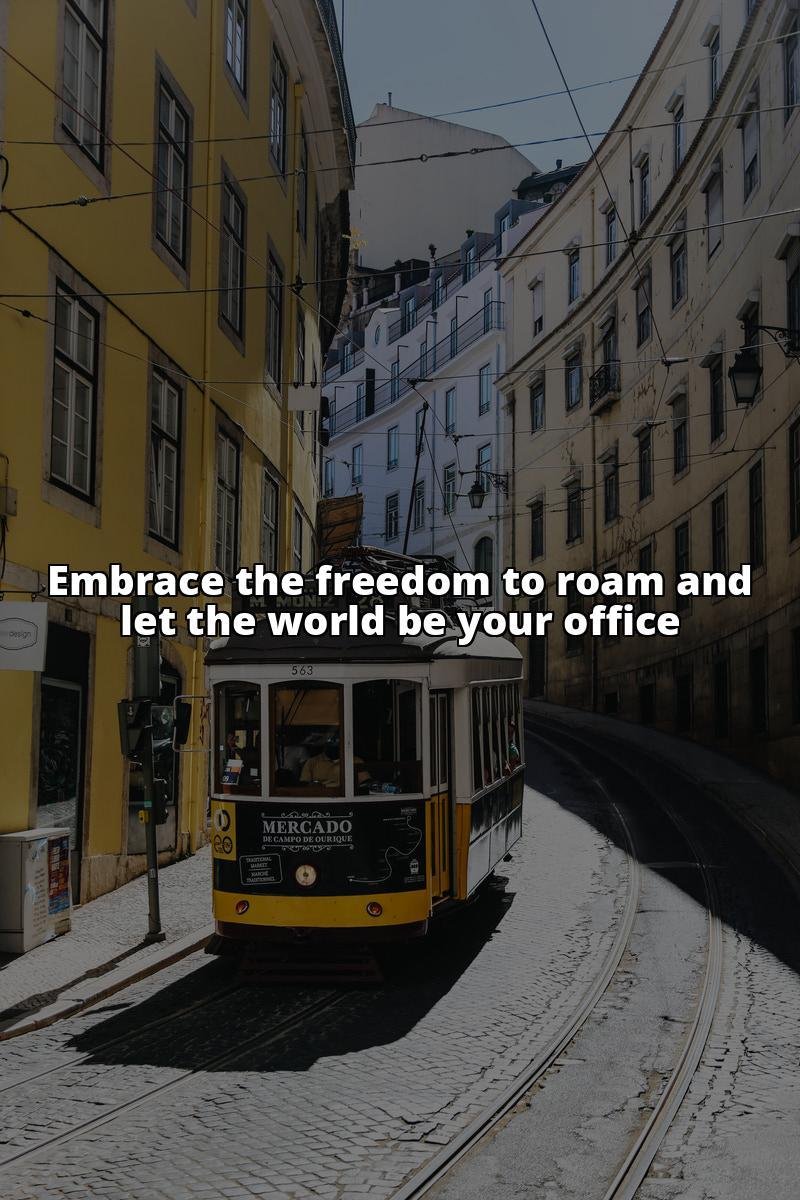
Arriving in Lisbon was transformative. I settled into a vibrant coworking space in the heart of the city, surrounded by like-minded individuals from all over the world. The diverse community not only expanded my professional network but also enriched my personal life. I made friends with a writer from Canada and a developer from Brazil, and we often explored the city’s hidden gems after work.
The Benefits
What truly stood out was the work-life balance. The beautiful weather, stunning scenery, and friendly locals inspired my creativity. I completed projects ahead of deadlines and found myself thriving in this new environment. The digital nomad visa not only provided me with the legal right to stay in Portugal but also transformed my perspective on work and travel.
This experience reinforced my belief that a change of scenery can significantly impact productivity and creativity. I now advocate for remote work policies in my professional circles, encouraging others to explore the possibilities that come with a digital nomad lifestyle.
Final Thoughts on European Countries with a Digital Nomad Visa
The digital nomad lifestyle is no longer a niche choice but a growing movement embraced by the modern workforce. With a plethora of options across Europe, each country offers its unique blend of culture, history, and benefits. Choosing the right destination depends on your personal preferences, work requirements, and lifestyle goals. Whether you’re seeking the beaches of Portugal, the tech hubs of Estonia, or the cultural richness of Italy, Europe offers a diverse tapestry of experiences for digital nomads.
The rise of digital nomad visas marks a significant shift in how we view work and travel, providing a legal framework that supports a borderless lifestyle. As you embark on this journey, remember that each country comes with its own set of rules and opportunities. Thorough research and planning are essential to make the most of your digital nomad experience.
Embrace the opportunity to live, work, and explore the breathtaking landscapes and vibrant cultures that Europe has to offer. The world is your officechoose your desk wisely.
Questions & Answers
Which European countries offer digital nomad visas?
Countries like Portugal, Croatia, and Estonia provide digital nomad visas.
What is a digital nomad visa in Europe?
A digital nomad visa allows remote workers to live and work legally.
How can I apply for a digital nomad visa in Europe?
You can apply online through the respective country’s immigration website.
Who is eligible for a digital nomad visa in Europe?
Remote workers with a steady income and employment can qualify.
Can I travel within Europe on a digital nomad visa?
Yes, you can travel within Schengen countries with this visa type.
What if I don’t meet income requirements for a digital nomad visa?
You may explore alternative visas or consider remote work opportunities.
The author is a seasoned travel and immigration expert with over a decade of experience in global mobility. Holding a Master’s degree in International Relations from the University of Edinburgh, they have authored numerous articles on digital nomadism and relocation trends. Their work has been featured in reputable publications such as “Nomadic Matt” and “The Remote Work Movement.” Additionally, they are a certified consultant with the Global Mobility Specialist certification from the Worldwide ERC, which attests to their expertise in visa processes and international relocation.
With personal experience living as a digital nomad in various European countries, including Portugal and Estonia, they bring valuable insights into the practicalities of applying for digital nomad visas. Their research has been supported by studies from the European Commission on remote work incentives, underscoring the growing trend of digital nomadism. Through their writing, they aim to empower others to navigate the complexities of living and working abroad effectively.

