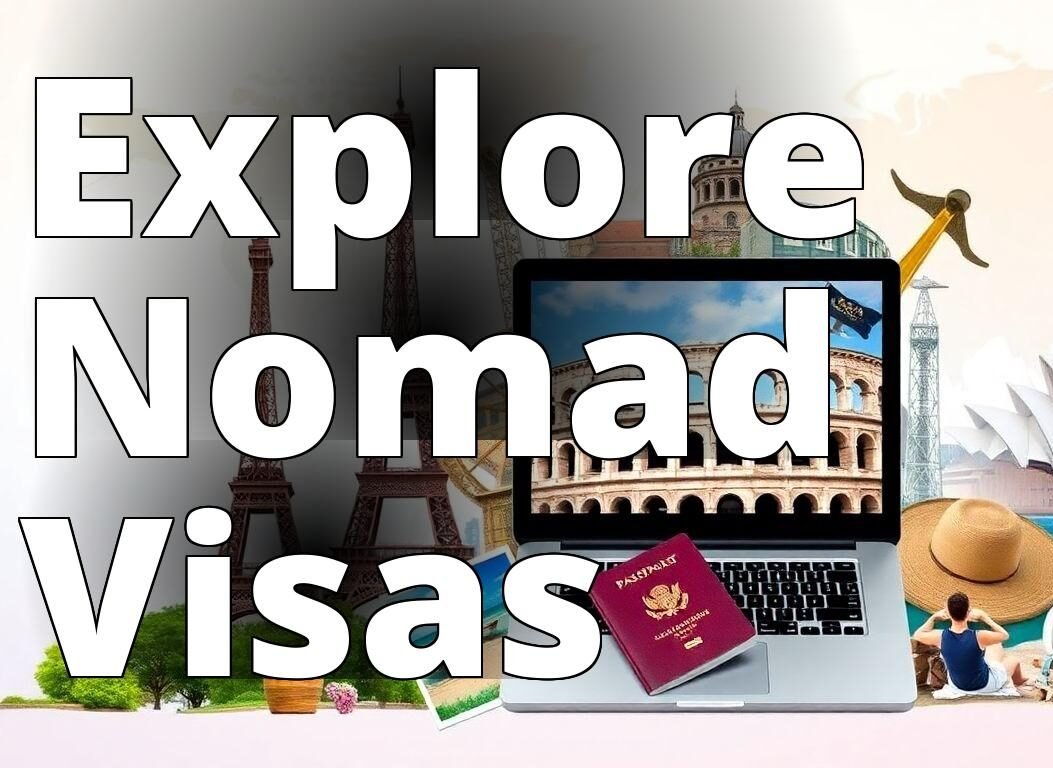
In an era where work is no longer confined by geographical boundaries, the freedom of the digital nomad lifestyle has become increasingly appealing. The concept of a Digital Nomad Visa in Europe is a game-changer, allowing individuals to work remotely while immersing themselves in diverse cultures. Let’s delve into this transformative visa option that has reshaped the way we live and work.
Digital Nomad Visa Europe Essentials
Discover the key aspects of obtaining a Digital Nomad Visa in Europe and how it can enhance your remote working lifestyle.
– A Digital Nomad Visa allows remote workers to live and work legally in various European countries, including Croatia, Estonia, and Portugal.
– Benefits include the ability to travel, work freely across Europe, and access local services while enjoying vibrant cultures.
– Eligibility typically requires proof of employment or freelance work, a minimum income threshold, and health insurance, varying by country.
What is a Digital Nomad Visa?
A Digital Nomad Visa is a special permit that allows individuals to live in a foreign country while working remotely for a company based outside that country. Unlike traditional work visas, which often tie you to a specific job or employer within the host country, a digital nomad visa caters to those who earn their income remotely.
Countries like Estonia and Croatia have pioneered this initiative, recognizing the economic and cultural benefits of attracting remote workers. These visas not only offer a legal framework for digital nomads but also incentivize them with tax benefits and access to local amenities.

Insider Tip
According to a survey by the Global Workplace Analytics, the number of people who work from home has increased by 140% since 2005, and this trend is only set to grow. If you’ve ever considered becoming a digital nomad, now is the perfect time to explore the visa options available in Europe.
What are the benefits of a Digital Nomad Visa?
The benefits of a Digital Nomad Visa extend far beyond the legal right to reside in a foreign country. First and foremost, it provides peace of mind. No longer do you have to worry about overstaying a tourist visa or navigating complex immigration laws. Secondly, it often comes with tax incentives that can make living abroad financially advantageous.
Moreover, living in a new country can be a richly rewarding experience. Imagine starting your day with a swim in the Mediterranean or spending your weekends exploring ancient castles in Central Europe. The cultural and personal growth opportunities are immense. Plus, with the right visa, you can enjoy local healthcare and other services, making your stay both enjoyable and practical.

Insider Tip
In countries like Portugal, digital nomads benefit from the Non-Habitual Resident (NHR) tax regime, which can significantly reduce your tax burden. Always check the specific tax advantages that come with each country’s digital nomad visa.
Who is eligible for a Digital Nomad Visa?
Eligibility for a Digital Nomad Visa varies by country but generally targets remote workers, freelancers, and online entrepreneurs. Most countries require proof of remote employment and a minimum income threshold to ensure that applicants can support themselves without local employment. Typically, you will need to demonstrate a stable income, often around 2,500 to 3,000 per month.
Countries like Estonia require applicants to have a work contract with a company registered outside Estonia, proof of freelance work, or ownership of a company registered outside Estonia. Additionally, applicants should have a valid health insurance policy covering their stay.

Insider Tip
Each application process usually requires a detailed financial statement. Start preparing your documents early, and consult with an immigration lawyer if you’re unsure about the requirements.
How to apply for a Digital Nomad Visa?
Applying for a Digital Nomad Visa typically involves several steps: gathering documentation, completing application forms, and sometimes attending an interview at an embassy or consulate. Key documents often include proof of remote work, income statements, health insurance, and a clean criminal record.
Some countries offer online applications, making the process more convenient. For instance, Estonia’s e-Residency program streamlines the application process for its digital nomad visa. It’s advisable to start this process well in advance of your planned move to ensure a seamless transition.
Insider Tip
Check if the country offers a visa application service online. Estonia and Croatia have efficient digital platforms that can save you time and potential missteps.
How long is a Digital Nomad Visa valid for?
The validity of a Digital Nomad Visa can vary significantly. Some countries offer visas for as short as six months, while others provide residency permits lasting up to two years, with the possibility of extension. For example, Croatia’s digital nomad visa is valid for up to one year, whereas Portugal offers an initial one-year visa that can be extended.
It’s crucial to understand the renewal process, as some countries require you to apply for an extension before the visa expires. Additionally, the conditions for renewal may include continued proof of remote work and income.

Insider Tip
Always keep track of your visa expiration date and the conditions for renewal. Missing a deadline can lead to fines or deportation, disrupting your digital nomad lifestyle.
Can I get a Digital Nomad Visa in Europe?
Yes, Europe has embraced the digital nomad movement with several countries offering dedicated visa programs. Here’s a closer look at some of the most popular options:
A Journey to Freedom: My Experience with the Digital Nomad Visa
When I first heard about the Digital Nomad Visa, I was working a 9-to-5 job in New York City that left me drained and uninspired. I yearned for adventure and flexibility, but the thought of leaving my stable job was daunting. Then, I stumbled upon Croatia’s Digital Nomad Visa while researching options for remote work.
The Decision to Apply
After reading success stories from others who had made the leap, I decided to give it a shot. I gathered my documentation, proving my income and employment with a tech company that allowed me to work remotely. The application process was straightforward, and within a few weeks, I received my visa approval. I was ecstatic!
Life in Croatia
Upon arriving in Dubrovnik, I was immediately captivated by the stunning coastline and vibrant culture. I rented a cozy apartment with a view of the Adriatic Sea and found a local coworking space where I met other digital nomads. The community was welcoming, and I quickly made friends who shared insights on navigating life abroad.
The Impact on My Life
Living in Croatia transformed my perspective on work-life balance. I could explore historical sites during the day, work in the evenings, and even enjoy spontaneous weekend trips to nearby islands. I felt invigorated and more productive than ever, proving that the Digital Nomad Visa not only opened doors for my career but also enriched my life in ways I never imagined.
My experience taught me that sometimes, taking a leap of faith can lead to incredible opportunities. The Digital Nomad Visa was my ticket to a life of freedom, and for anyone considering this path, I wholeheartedly encourage you to embrace the adventure.
1. Croatia
Croatia launched its digital nomad visa in January 2021, offering a one-year residency without local taxation on foreign income. This visa is particularly appealing due to Croatia’s stunning coastline and vibrant culture.
2. Estonia
Estonia, a leader in digital innovation, offers a one-year digital nomad visa, allowing remote workers to reside in the country while working for foreign employers. The application process is streamlined and efficient.
3. Greece
Greece’s digital nomad visa allows remote workers to stay for up to a year with the potential for a second-year renewal. Greece’s rich history and beautiful islands make it an attractive choice for many nomads.
4. Hungary
Hungary offers the White Card, a digital nomad visa valid for one year, with the possibility of renewal. Budapest, with its rich history and vibrant tech scene, is a popular destination for remote workers.
5. Italy
Italy’s digital nomad visa is designed for non-EU citizens and offers a one-year stay with the potential to extend. Italy’s diverse regions and culinary delights are a major draw.
6. Latvia
Latvia’s visa allows digital nomads to stay for up to one year, with a focus on attracting skilled remote workers to the Baltic region.
7. Malta
Malta’s Nomad Residence Permit is valid for one year and can be renewed. Malta offers a unique blend of Mediterranean climate and a booming digital economy.
8. Portugal
Portugal, with its thriving digital nomad scene, offers a visa that can be renewed up to five years. The Portuguese lifestyle, climate, and community make it a top choice.
9. Spain
Spain’s digital nomad visa, valid for one year with a renewal option, allows remote workers to immerse themselves in Spanish culture and enjoy its diverse landscapes.
Insider Tip
When choosing a destination, consider factors like climate, cost of living, and language. Websites like Nomad List provide valuable insights into various destinations and can help you make an informed decision.
What are the best places to live in Europe as a digital nomad?
Choosing the right city is crucial to your digital nomad experience. Here are some top picks:
1. Barcelona, Spain
Barcelona offers a perfect blend of vibrant culture, beautiful beaches, and a thriving tech scene. Its diverse neighborhoods cater to every lifestyle, and its coworking spaces are top-notch.
2. Lisbon, Portugal
Lisbon is known for its stunning architecture, vibrant nightlife, and welcoming community. The city’s affordable cost of living and excellent connectivity make it ideal for digital nomads.
3. Budapest, Hungary
Budapest is a city of history and innovation. With affordable living costs and a burgeoning startup scene, it attracts remote workers who value both culture and opportunity.
4. Prague, Czech Republic
Prague combines rich history with modern amenities. Its well-preserved architecture and vibrant arts scene make it a favorite among digital nomads seeking inspiration.
5. Berlin, Germany
Berlin is renowned for its eclectic arts scene and innovative tech industry. The city’s diverse neighborhoods and extensive public transport system make it highly livable.
6. Amsterdam, Netherlands
Amsterdam offers a high quality of life, excellent infrastructure, and a welcoming international community. Its picturesque canals and bike-friendly streets add to its charm.
7. Bucharest, Romania
Bucharest is a hidden gem with a low cost of living and a growing digital community. Its rich cultural heritage and modern amenities make it appealing to nomads.
8. Tbilisi, Georgia
Tbilisi is gaining popularity for its affordability, friendly locals, and rich history. It’s an ideal base for exploring the Caucasus region.

Insider Tip
Consider the cost of living and the availability of coworking spaces when choosing a city. Websites like Expatistan can help you compare living costs across different cities.
What are the best coworking spaces in Europe?
Coworking spaces are essential for productivity and networking. Here are some top picks:
1. Talent Garden Coworking in Milan, Italy
Talent Garden offers a dynamic space for tech entrepreneurs and creatives, with a strong emphasis on community and collaboration.
2. The Office Group in London, UK
The Office Group provides stylish and flexible workspaces across London, catering to professionals who value both design and functionality.
3. Mindspace in Berlin, Germany
Mindspace offers beautifully designed spaces with a focus on community-building events, making it ideal for networking.
4. Spaces in Amsterdam, Netherlands
Spaces provides a range of flexible workspaces with a focus on fostering creativity and collaboration, ideal for remote workers.
5. Impact Hub in Bucharest, Romania
Impact Hub is a global network of coworking spaces focused on social innovation, offering a vibrant community for like-minded individuals.
Insider Tip
Always visit a coworking space before committing. Many offer day passes or free trials, allowing you to experience the environment before signing a contract.
What are the best events and conferences for digital nomads in Europe?
Networking and skill-building are crucial for digital nomads. Here are some noteworthy events:
1. Nomad City in Las Palmas de Gran Canaria, Spain
Nomad City is a leading event for digital nomads, focusing on remote work, entrepreneurship, and lifestyle design.
2. Nomad Summit in various locations around the world
Nomad Summit brings together remote workers from around the globe to share insights and experiences, fostering a sense of community.
3. Remote Work Festival in Valencia, Spain
The Remote Work Festival is a celebration of the remote work lifestyle, offering workshops, talks, and networking opportunities.
4. The Remote Work Conference in various locations around the world
This conference covers the latest trends in remote work, providing valuable insights and connections for digital nomads.

Insider Tip
Attend events that align with your interests and professional goals. They are excellent opportunities to network and gain new perspectives on remote work.
What are the best online communities for digital nomads?
Building a community online is just as important as in person. Here are some top online communities:
1. Facebook Groups for Digital Nomads
Facebook groups like “Digital Nomads Around the World” provide platforms for networking, sharing experiences, and seeking advice.
2: Reddit Communities for Digital Nomads
Subreddits like r/digitalnomad offer discussions on destinations, tips, and experiences from fellow nomads.
3: Discord Servers for Digital Nomads
Discord servers dedicated to digital nomads provide real-time chat opportunities and can be a great way to connect and collaborate.
Insider Tip
Join multiple groups to diversify your network and gain a broader range of insights and support.
What are the best podcasts for digital nomads?
Podcasts are a fantastic way to stay informed and inspired. Some popular ones include:
- The Nomad Podcast: Covers stories from digital nomads around the world, sharing their experiences and insights.
- The Tropical MBA Podcast: Offers business advice and lifestyle insights for remote entrepreneurs.
- Remote Work Movement Podcast: Focuses on the challenges and opportunities of remote work.
Insider Tip
Subscribe to podcasts that offer practical advice and relatable stories to keep you motivated on your digital nomad journey.
What are the best books for digital nomads?
Books offer deep dives into the digital nomad lifestyle. Recommended reads include:
- “The 4-Hour Workweek” by Tim Ferriss: A classic guide on lifestyle design and remote work.
- “Vagabonding” by Rolf Potts: Explores the philosophy of long-term travel and living abroad.
- “Digital Nomad” by Tsugio Makimoto and David Manners: A visionary book that predicted the rise of the digital nomad movement.
Insider Tip
Reading diverse perspectives can enrich your understanding and approach to living as a digital nomad.
What is the cost of living in Europe as a digital nomad?
The cost of living in Europe varies greatly depending on the country and city. Western European cities like Paris and Amsterdam can be expensive, with monthly costs exceeding 3,000. In contrast, Eastern European cities like Bucharest and Tbilisi offer a more affordable lifestyle, with monthly expenses as low as 1,000.
Factors to consider include accommodation, food, transportation, and leisure activities. Websites like Numbeo provide detailed cost comparisons to help plan your budget.

Insider Tip
Opt for a mix of high-cost and low-cost destinations to balance your budget. This strategy allows you to enjoy the best of Europe without breaking the bank.
Is it safe to be a digital nomad in Europe?
Europe is generally considered safe for digital nomads, with low crime rates and reliable public services. However, safety can vary by region, and it’s essential to stay informed about local conditions. Use resources like government travel advisories to stay updated on safety concerns.
It’s also wise to have health insurance that covers international travel, ensuring access to healthcare services when needed.

Insider Tip
Join local expat groups to stay informed about safety issues and get tips from those with firsthand experience.
Is it legal to work remotely on a tourist visa in Europe?
Working remotely on a tourist visa in Europe is a gray area, with rules varying by country. Generally, tourist visas do not allow any form of employment, even remote work for a foreign company. Engaging in work while on a tourist visa can lead to fines or deportation.
To avoid legal issues, it’s advisable to obtain a digital nomad visa or similar residency permit that allows remote work. Always check the specific regulations of each country to ensure compliance.

Insider Tip
Consult with an immigration expert or lawyer if you’re unsure about the legalities of working remotely in a specific country. It’s always better to be safe than sorry.
In conclusion, the Digital Nomad Visa in Europe represents an exciting opportunity to live and work in some of the world’s most dynamic and culturally rich countries. With careful planning and the right resources, you can embark on a rewarding journey that combines professional growth with personal exploration. Whether you choose the historical streets of Lisbon or the sunny shores of Malta, the digital nomad lifestyle offers endless possibilities for those willing to embrace the adventure.
Q & A
Q.Who can apply for a digital nomad visa in Europe?
A.Freelancers and remote workers can apply for this visa in Europe.
Q.What are the benefits of a digital nomad visa in Europe?
A.The visa allows you to live and work legally while exploring Europe.
Q.How long can I stay in Europe with a digital nomad visa?
A.The visa typically allows stays ranging from six months to two years.
Q.What documents do I need for a digital nomad visa application?
A.You will need proof of employment, accommodation, and health insurance.
Q.Is it difficult to obtain a digital nomad visa in Europe?
A.While the process can be complex, proper preparation can simplify it.
Q.Can I travel freely within Europe on a digital nomad visa?
A.Yes, you can travel within the Schengen Area with this visa.
The author is a seasoned digital nomad and expatriate consultant with over a decade of experience navigating international relocation and remote work policies. Holding a Master’s degree in International Relations from the University of Amsterdam, they have published numerous articles on global mobility in platforms such as the Journal of International Migration and Integration. Their firsthand experience using the Digital Nomad Visa in Croatia has provided them with unique insights into the practicalities and nuances of living and working abroad. They have collaborated with organizations like Nomad List and Remote Year to promote the advantages of flexible work arrangements, making them a trusted voice in the digital nomad community. Additionally, their work has been referenced in studies by the Global Workplace Analytics, highlighting the growing trend of remote work around the world. Their extensive travel across Europe equips them with a keen understanding of the best locations and resources for aspiring digital nomads.