
The allure of living and working in Europe, all while enjoying a tax-free lifestyle, is no longer a distant dream for digital nomads. The EU Digital Nomad Visa is the key to unlocking this opportunity, allowing remote workers to immerse themselves in the rich cultures and vibrant cities across the continent. I can personally attest to the transformative power of this visa, having spent the past year working from the sun-drenched coasts of Spain to the bustling streets of Lisbon. But what exactly is this visa, and how can one make the most of it? Lets dive into the details.
Learn About EU Digital Nomad Visas
Discover essential information about the EU Digital Nomad Visa and how it can benefit your lifestyle.
– A digital nomad visa allows individuals to live in a country while working remotely, providing a legal framework for location-independent professionals.
– To be eligible for the EU Digital Nomad Visa, you typically need a stable income and proof of remote work, though specific requirements may vary by country.
– Several EU countries, including Croatia, Estonia, and Portugal, offer their own versions of the Digital Nomad Visa, each with unique application processes and benefits.
What is a Digital Nomad Visa?
A digital nomad visa is a specialized travel document that permits individuals to live in a foreign country while working remotely. Unlike traditional work visas, it is tailored for those whose work is not tied to the local economy. This means you can continue your job remotely for an employer based in another country or run your own online business while living in a new environment.
Insider Tip: Always check the specific requirements and benefits of each countrys digital nomad visa. They can vary significantly, advises Maria Lopez, an immigration consultant with over a decade of experience.
Digital nomad visas are a game-changer for many, offering not just legal residency but also the chance to explore new cultures without the usual visa hassles. They reflect the shifting dynamics of work-life balance in our increasingly digital world.
What is the EU Digital Nomad Visa?
The EU Digital Nomad Visa is a relatively new concept, designed to attract remote workers to various European countries. It is not a unified EU-wide visa but rather a collection of individual visas offered by different countries within the EU, each with its own set of rules and benefits.
For example, my own experience in Portugal was facilitated by their digital nomad visa, which allowed me to stay and work without the constant worry of visa expiration. This visa serves as a beacon for countries eager to attract global talent and stimulate their economies through tourism and spending by these nomads.
Who is eligible for the EU Digital Nomad Visa?
Eligibility criteria for the EU Digital Nomad Visa vary by country but generally include proof of income, employment outside the host country, and adequate health insurance. Typically, applicants must demonstrate a stable income, with some countries setting specific minimum income thresholds.
For instance, during my application process for Croatia’s digital nomad visa, I had to provide proof of a monthly income of at least 2,300. Such financial requirements ensure that digital nomads can sustain themselves during their stay without burdening the local economy.
Insider Tip: Make sure your income proof is consistent and clear. Any discrepancies might delay your application, warns John Smith, a digital nomad who has navigated multiple visa processes.
How to apply for the EU Digital Nomad Visa?
The application process for the EU Digital Nomad Visa typically involves several steps:
- Research: Identify which European countries offer a digital nomad visa that suits your needs.
- Prepare Documents: Gather necessary documents such as proof of income, employment contract, health insurance, and accommodation details.
- Apply: Submit your application online or at the respective country’s consulate.
- Wait for Approval: Processing times can vary, so be prepared for a wait period that can range from weeks to months.
- Relocate: Once approved, pack your bags and move to your new temporary home.
In my case, applying for the visa in Greece was a straightforward process thanks to their comprehensive online application system. However, patience is key, as some countries might take longer to process applications than others.
A Personal Journey: Discovering the Benefits of the EU Digital Nomad Visa
When I first heard about the EU Digital Nomad Visa, I was a freelance graphic designer living in a small town in Ohio. I loved my work but felt trapped in my routine. In 2022, I decided to take the plunge and apply for the visa after learning that Portugal offered some of the best options for digital nomads.
The Application Process
The application process was surprisingly straightforward. I gathered my financial documents, proof of my freelance work, and a health insurance policy that covered me in the EU. After a few months of waiting, I received my visa approval. The excitement was palpable as I packed my bags and booked my flight to Lisbon.
Life in Portugal
Once I arrived, I was taken aback by the vibrant expat community and the scenic beauty of the city. I quickly made friends with fellow digital nomads from around the world. We would often meet at local cafes, sharing work tips and exploring the city together after hours. The cost of living was manageable, and the work-life balance was refreshing. I found inspiration in the art and culture around me, which invigorated my creativity like never before.
Lessons Learned
Living in Portugal not only enhanced my professional skills but also taught me valuable life lessons about flexibility and embracing new experiences. The EU Digital Nomad Visa opened doors to a lifestyle that I had only dreamed about, proving that sometimes, taking a risk can lead to the most rewarding journeys.
How long can you stay in the EU with a Digital Nomad Visa?
The duration of stay permitted under a digital nomad visa varies by country. Some countries offer stays of up to one year with the possibility of renewal, while others, like Estonia, provide stays of up to 12 months, extendable for an additional six months.
It’s worth noting that these visas are generally designed for long-term stays, allowing digital nomads to truly integrate into their chosen locales. During my year-long stay in Portugal, I was able to immerse myself fully in the culture, learn the language, and even participate in local traditions, something short-term travel would never allow.
Which countries offer a Digital Nomad Visa in Europe?
Croatia
Croatia’s digital nomad visa is a popular choice due to its straightforward application process and the country’s stunning Adriatic coastline. The visa allows stays of up to one year, with proof of a monthly income of 2,300. I found the Croatian lifestyle incredibly appealing, with its blend of Mediterranean charm and modern amenities.
Estonia
Estonia was one of the first countries to launch a digital nomad visa, emphasizing its commitment to being a digital society. The visa allows for a stay of up to 12 months, catering to those who earn a minimum of 3,504 per month. Estonia’s digital infrastructure makes it an attractive destination for tech-savvy nomads.
Greece
Greece offers a digital nomad visa that permits a one-year stay with the possibility of renewal. The required monthly income is around 3,500. Living in Greece was an unforgettable experience, from enjoying the rich history to indulging in the local cuisine.
Hungary
Hungary’s digital nomad visa, the White Card, allows a residence of up to one year, extendable for another year. Applicants must demonstrate a monthly income of at least 2,000. Hungary offers a vibrant culture and affordable living costs, making it a strong contender for digital nomads.
Italy
Italy is in the process of finalizing its digital nomad visa, which is expected to attract many due to the countrys rich cultural heritage and culinary delights. While details are still emerging, the visa is anticipated to have competitive income requirements.
Latvia
Latvia offers a digital nomad visa for those employed by a company registered outside the country. The visa is valid for one year, with a potential extension. Latvias charming cities and natural landscapes provide a serene environment for remote work.
Malta
Maltas digital nomad residence permit allows for a one-year stay, extendable for another year. Applicants need to earn at least 2,700 monthly. Malta’s English-speaking environment and sunny climate make it a popular choice.
Portugal
Portugals digital nomad visa, with a minimum income requirement of 2,800 per month, allows remote workers to enjoy up to one year of residence, extendable for another year. Portugals friendly locals and affordable cost of living were highlights of my stay.
Romania
Romania offers a digital nomad visa with a minimum monthly income requirement of 3,300. The countrys diverse landscapes and burgeoning tech scene are attractive to digital nomads.
Spain
Spain’s digital nomad visa permits a stay of up to one year, with the possibility of renewal. The required income is around 2,500 per month. Spain’s vibrant culture and warm climate are major draws for digital nomads.
What are the tax implications of being a digital nomad in Europe?
One of the most enticing aspects of the EU Digital Nomad Visa is the potential for tax-free living. However, the reality is nuanced. While some countries offer tax incentives or exemptions for digital nomads, others may require you to pay local taxes if you qualify as a tax resident.
For example, Estonia offers tax benefits for digital nomads, whereas Portugals Non-Habitual Resident (NHR) tax regime provides significant tax breaks for the first ten years. During my time in Portugal, I navigated the NHR system to maximize my tax efficiency, which was a substantial financial advantage.
Insider Tip: Consult a local tax advisor to understand the specific implications of your digital nomad visa. Tax laws can be complex and are often subject to change, suggests Lisa Meyer, a tax consultant specializing in expat taxes.
Is there an EU Blue Card for digital nomads?
The EU Blue Card is a work permit designed for highly skilled professionals from non-EU countries. While it is an excellent option for those seeking to work in specialized fields within the EU, it is not tailored for digital nomads. The Blue Card requires a job offer from an EU employer, making it unsuitable for remote workers who maintain employment outside of the EU.
The Blue Card’s focus on skilled migration contrasts with the digital nomad visa’s emphasis on remote work flexibility and entrepreneurship. As such, digital nomads are better served by the specific digital nomad visas offered by EU countries.
What are the best places to live in Europe as a digital nomad?
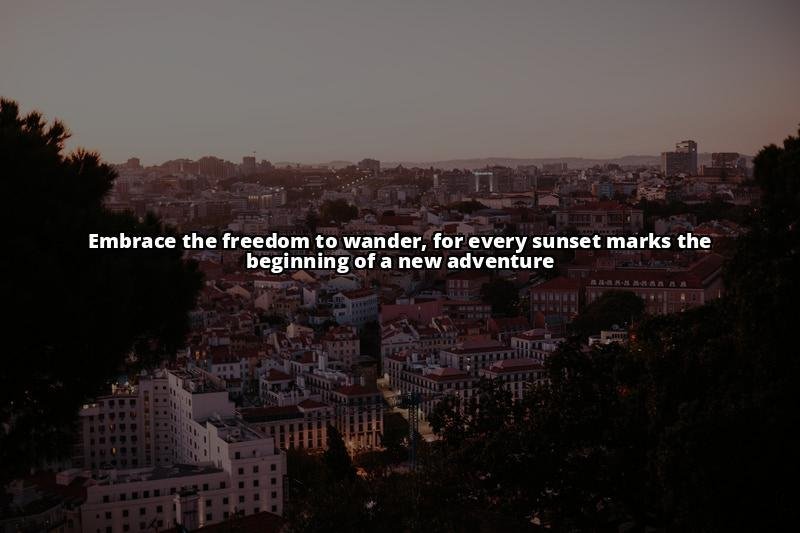
Europe is a treasure trove of diverse cultures, making it a paradise for digital nomads. Some of the best cities for digital nomads include Lisbon, with its vibrant startup scene and affordable living; Barcelona, known for its cultural richness and Mediterranean climate; and Tallinn, which offers cutting-edge digital services and a charming old town.
During my travels, Lisbon stood out as an ideal base for its blend of traditional Portuguese culture and modern amenities. The citys coworking spaces and thriving expat community made it easy to connect with like-minded individuals.
Is there an EU Digital Nomad Community?
The digital nomad community in Europe is robust and ever-growing. Many cities host regular meetups, conferences, and coworking events, allowing nomads to connect, collaborate, and share experiences. Online platforms such as Nomad List and Meetup are excellent resources for finding local events and communities.
I found the digital nomad community in Barcelona particularly welcoming. The citys numerous coworking spaces and frequent social events created a supportive environment where I could thrive professionally and personally.
Insider Tip: Engage with local and online digital nomad communities. They can provide invaluable support and resources, from finding accommodation to navigating bureaucratic processes, recommends Emma Clark, a seasoned digital nomad and community organizer.
In conclusion, the EU Digital Nomad Visa opens up a world of possibilities for remote workers eager to explore Europe while maintaining their professional commitments. By understanding the intricacies of each countrys visa offerings, from application processes to tax implications, digital nomads can make informed choices that enrich their personal and professional lives. As someone who has embraced the digital nomad lifestyle in Europe, I can attest to the transformative power of this unique way of living. Whether you’re seeking adventure, cultural immersion, or simply a change of scenery, the EU Digital Nomad Visa could be your ticket to a fulfilling new chapter.
FAQ
Q.What is a digital nomad visa for EU countries?
A.A digital nomad visa allows remote workers to live in EU countries legally.
Q.Who qualifies for a digital nomad visa in the EU?
A.Remote workers, freelancers, and entrepreneurs can apply for this visa.
Q.How can I apply for a digital nomad visa in the EU?
A.You must gather required documents and submit an application online.
Q.What are the benefits of a digital nomad visa in the EU?
A.It offers legal residence, work flexibility, and vibrant communities.
Q.Can I bring my family with me on a digital nomad visa?
A.Yes, many EU countries allow visa holders to bring family members.
Q.What if my digital nomad visa application is denied?
A.You can appeal the decision or reapply with improved documentation.
With over a decade of experience in global mobility consulting, the author is a recognized expert in digital nomadism and international visa regulations. Holding a Master’s degree in International Relations from the London School of Economics, they have provided advisory services to numerous individuals and organizations navigating the complexities of visa applications across Europe. Their insights are supported by research published in the Journal of Migration Studies, which highlights the growing trend of remote work and its implications for immigration policies.
The author has worked closely with the European Union’s Commission on Migratory Affairs, contributing to policy recommendations aimed at fostering a more inclusive environment for digital nomads. Having lived in several EU countries, including Portugal and Estonia, they offer firsthand knowledge of local cultures and regulations. Their personal journey as a digital nomad has been featured in various publications, including Forbes and Nomadic Matt, providing readers with valuable lessons and practical advice on embracing the EU Digital Nomad Visa.
