

The digital nomad visa is not just a piece of paper; it’s a passport to a new lifestyle, a bridge between the conventional and the cutting edge. In this era of unprecedented technological advancement and shifting work paradigms, the digital nomad visa stands as a bold statement against the rigid structures of traditional work environments. It is the embodiment of freedom, flexibility, and the pursuit of personal and professional growth without geographical constraints. In 2023, as the world grapples with the aftermath of a pandemic and the growing acceptance of remote work, the digital nomad visa has emerged as a crucial tool for global citizens.
Learn About Digital Nomad Visas
Discover essential information about digital nomad visas, including how they can benefit your lifestyle and which countries offer them.
– A digital nomad visa allows remote workers to live and work legally in various countries while enjoying the local culture.
– Benefits include legal residency, the opportunity to explore new countries, and potential tax advantages.
– To obtain a digital nomad visa, you’ll typically need proof of remote employment or a stable income, along with specific application procedures for each country.
What is a Digital Nomad Visa?
A digital nomad visa is a special authorization that allows individuals to live in a foreign country while working remotely for a company not based in the host country. Unlike a tourist visa, which often restricts work activities, a digital nomad visa is designed specifically for remote workers, freelancers, and entrepreneurs who want to explore the world without sacrificing their careers. This visa acknowledges the reality that work is no longer tethered to a physical location.

Historically, visas have been about limiting and controlling movement, but the digital nomad visa signals a shift towards facilitation and opportunity. It’s a reflection of how the global work landscape is evolving, with countries now competing to attract skilled remote workers. In an era where talent is the most valuable currency, this visa represents a strategic pivot for nations looking to boost their economies by welcoming a diverse and dynamic workforce.
Insider Tip: According to a report by MBO Partners, there are over 15.5 million digital nomads in the U.S. alone, a 42% increase from 2020. This growing demographic is a testament to the rising demand for alternative living and working arrangements globally. Read more on MBO Partners.
Who is a Digital Nomad?
Digital nomads are individuals who leverage technology to work remotely while often traveling to different locations. They are not bound by the confines of a traditional office space and instead choose to integrate work with exploration. These individuals might be freelancers, remote employees, or entrepreneurs running their own businesses online. The common thread among digital nomads is their desire for autonomy and their commitment to living life on their own terms.
Being a digital nomad is not just about traveling; it’s about cultivating a lifestyle that prioritizes experiences over possessions. Many digital nomads share a disdain for the monotony of the 9-to-5 grind and instead seek a life filled with diverse cultural experiences, personal growth, and professional fulfillment. This lifestyle is not without challenges, such as maintaining productivity, managing time zones, and ensuring work-life balance, but the rewards often far outweigh the difficulties.
What are the Benefits of a Digital Nomad Visa?
The benefits of a digital nomad visa are manifold, both for the individuals who obtain them and the countries that offer them. For digital nomads, these visas provide legal certainty and peace of mind. They allow individuals to stay in a country for an extended period, often ranging from six months to several years, without the constant worry of overstaying a tourist visa. This stability enables deeper integration into local communities and cultures, fostering a richer and more authentic travel experience.

On a broader scale, digital nomad visas are a boon for countries looking to revitalize their economies. By attracting remote workers, these nations can benefit from increased spending in local businesses, the sharing of skills and knowledge, and an enhanced international profile. Moreover, many countries have designed their nomad visas to include stipulations that ensure visitors are financially self-sufficient, thereby reducing the potential strain on public resources.
Insider Tip: According to the Economist Intelligence Unit, cities that have embraced remote work and digital nomadism have seen an increase in local innovation and entrepreneurship, highlighting the positive economic impact of attracting digital talent.
How to Get a Digital Nomad Visa
Obtaining a digital nomad visa usually involves a straightforward application process, but the specifics can vary significantly by country. Generally, applicants need to provide proof of employment or income, which demonstrates their ability to sustain themselves financially while residing in the host country. This often includes employment contracts, client agreements, or bank statements showing a regular income.
Applicants may also need to show proof of health insurance coverage, valid for the duration of their stay. Some countries might require a criminal background check, while others might ask for a detailed itinerary or proof of accommodation. It’s crucial to research the specific requirements of the country you are interested in, as these can be subject to change.
Insider Tip: Always have a backup plan. Visa processing times can vary, and unexpected delays might occur. Maintaining flexibility in your travel plans can save you a lot of stress.
Countries Offering Digital Nomad Visas
The list of countries offering digital nomad visas is growing as more nations recognize the benefits of attracting remote workers. Each country has its unique draw, from pristine beaches and vibrant cities to rich cultures and favorable climates.
Antigua and Barbuda
Antigua and Barbuda offer the “Nomad Digital Residence” program, allowing remote workers to live and work in the islands for up to two years. This Caribbean paradise is known for its stunning beaches and friendly locals, making it an attractive destination for digital nomads seeking a tropical lifestyle.
Aruba
Arubas “One Happy Workation” program invites remote workers to stay for up to 90 days. The program is designed to make transitioning to island life seamless, with discounts on accommodations and experiences.
Barbados
Barbados was one of the first Caribbean countries to introduce a digital nomad visa with its “Barbados Welcome Stamp.” This visa allows remote workers to stay for up to 12 months, with the option to renew.
Bermuda
Bermuda offers the “Work from Bermuda” certificate, allowing remote workers to live on the island for a year. Bermuda boasts a high quality of life, making it a desirable location for those looking to balance work and leisure.
Croatia
Croatia has embraced digital nomads with open arms, offering a one-year visa that can be extended. The countrys rich history, stunning coastline, and vibrant culture make it a favorite among remote workers.
Czech Republic
The Czech Republic offers a long-term visa for freelancers and remote workers, known as the “Zivno” visa. With its central location in Europe and rich cultural heritage, the Czech Republic is an excellent base for exploring the continent.
Dubai, UAE
Dubais “Virtual Working Program” allows remote workers to live and work in the emirate for one year. With its world-class infrastructure and vibrant expat community, Dubai is an exciting choice for digital nomads.
Estonia
Estonia, known for its digital innovation, offers a digital nomad visa allowing remote workers to stay for up to a year. The countrys commitment to digital development makes it a tech-savvy choice for nomads.
Georgia
Georgia offers a remote worker visa that allows individuals to live and work in the country for up to a year. With its low cost of living and welcoming atmosphere, Georgia is an attractive destination for digital nomads.
Germany
Germany provides a “Freelance Visa” for remote workers, which is ideal for those wishing to experience life in one of Europes economic powerhouses. The vibrant cities and rich cultural scene make Germany a compelling choice.
Greece
Greece offers a digital nomad residence permit, allowing remote workers to enjoy the countrys stunning landscapes and rich history. This visa is an excellent opportunity for those looking to immerse themselves in Mediterranean life.
Hungary
Hungarys “White Card” program offers a one-year digital nomad visa, with the option to renew. Budapests vibrant culture and affordable living make Hungary an appealing destination for remote workers.
Iceland
Icelands “Work in Iceland” program allows digital nomads to live in the country for up to six months. The breathtaking natural landscapes and unique culture offer a truly distinctive nomadic experience.
Italy
Italys digital nomad visa is designed to attract remote workers to its beautiful landscapes and rich cultural heritage. The countrys diverse regions offer something for every type of nomad, from bustling cities to serene countryside.
Malta
Maltas “Nomad Residence Permit” allows remote workers to stay for up to a year. The island nations mild climate, historical sites, and vibrant community make it a popular spot for digital nomads.
Mauritius
Mauritius offers the “Premium Visa,” allowing remote workers to live and work on the island for up to a year. The islands stunning beaches and multicultural society are a draw for nomads seeking a unique destination.
Mexico
Mexicos “Temporary Resident Visa” can be a great option for digital nomads wanting to explore the countrys rich culture and diverse landscapes. The low cost of living and vibrant cities make Mexico an attractive choice.
Portugal
Portugals “D7 Visa” is popular among digital nomads, allowing for extended residence in the country. The combination of beautiful scenery, friendly locals, and a thriving expat community makes Portugal a top pick.
Romania
Romanias digital nomad visa provides an opportunity to experience its rich folklore and stunning landscapes. The affordable cost of living and growing tech scene are appealing to many remote workers.
Seychelles
Seychelles offers a “Workcation” program, inviting remote workers to enjoy its idyllic beaches and unique biodiversity. The program is designed to make transitioning to island life smooth and enjoyable.
Singapore
Singapore has introduced a “Tech.Pass” to attract highly skilled digital professionals. Its strategic location in Asia and business-friendly environment make it a prime spot for digital nomads in tech industries.
Spain
Spains digital nomad visa is perfect for those wanting to experience its vibrant culture, stunning architecture, and beautiful beaches. The country offers a diverse range of environments, from bustling cities to tranquil towns.
Thailand
Thailands “Smart Visa” is aimed at attracting digital professionals to its thriving cities and beautiful landscapes. The countrys low cost of living and rich culture are significant draws for digital nomads.
Trinidad and Tobago
Trinidad and Tobago offer a “Welcome Stamp” for remote workers, inviting them to enjoy the islands vibrant culture and beautiful scenery. The program is designed to provide a seamless transition to island life.
Vanuatu
Vanuatus “Digital Nomad Visa” is designed for remote workers looking to experience its unique culture and stunning natural beauty. The countrys welcoming atmosphere and relaxed lifestyle are perfect for those seeking a peaceful nomadic experience.
Personal Journey: Discovering the Freedom of a Digital Nomad Visa
In early 2022, I decided to take the plunge into the digital nomad lifestyle. After years of working a 9-to-5 job in marketing, I craved adventure and freedom. I had heard about digital nomad visas, but the process seemed daunting until I spoke with my friend, Sarah, who had successfully obtained one for Barbados.
Sarah shared her experience, emphasizing the importance of preparing the necessary documents in advance, including proof of employment and health insurance. Inspired, I began my journey by applying for a digital nomad visa in Portugal. I was pleasantly surprised by the straightforward application process and the welcoming attitude of the Portuguese government towards remote workers.
After a few weeks, I received my visa, which allowed me to live in Lisbon for an entire year while working remotely for my company. The vibrant culture, stunning architecture, and delicious cuisine made my daily life feel like a vacation. I connected with other digital nomads at local coworking spaces and enjoyed weekend trips to the beautiful beaches of the Algarve.
Living as a digital nomad transformed my perspective on work and life. I learned to balance productivity with exploration, and I even started a blog to document my experiences. Sarahs story had motivated me to take that first step, and now I find myself living a life that blends work with wanderlust, all thanks to the digital nomad visa.
How to Live Like a Local as a Digital Nomad
Living like a local as a digital nomad involves more than just finding a place to stay; its about immersing yourself in the culture and community of your chosen destination. Start by learning the local language, at least enough to engage in basic conversations. This not only helps in day-to-day interactions but also shows respect for the local culture.
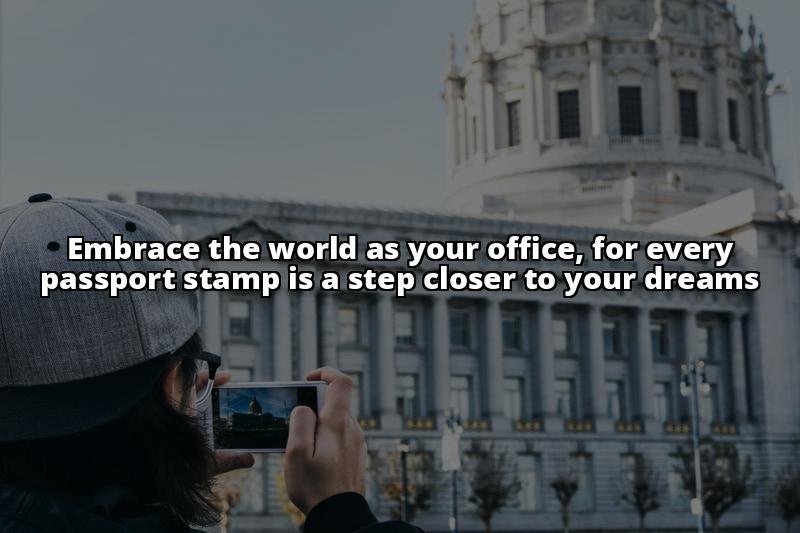
Make an effort to participate in local events and traditions. Whether its a festival, a market, or a community gathering, these experiences offer invaluable insights into the local way of life. Building connections with locals can lead to friendships that enrich your nomadic journey and provide a deeper understanding of the culture.
Insider Tip: Use platforms like Meetup or local Facebook groups to find events and meet people with similar interests. This can be a great way to integrate into the local community and make meaningful connections.
In conclusion, the digital nomad visa is more than just a legal document; its a gateway to a new way of living and working. As the world becomes increasingly interconnected, the opportunities for digital nomads continue to expand. By understanding the nuances of each country’s offerings and embracing the local culture, digital nomads can create fulfilling and enriching experiences that transcend borders.
Answers To Common Questions
What is a digital nomad visa?
A digital nomad visa allows remote workers to live abroad legally.
Who can apply for a digital nomad visa?
Anyone with a remote job or income can apply for this visa type.
How long can I stay on a digital nomad visa?
The duration typically ranges from six months to two years.
What documents are needed for a digital nomad visa?
You usually need proof of employment, income, and health insurance.
Can I bring my family on a digital nomad visa?
Yes, many countries allow family members to join the visa holder.
Is the digital nomad visa worth the application process?
Yes, it offers legal residency, flexibility, and a chance to explore.
With over a decade of experience in international law and global mobility, the author is a recognized expert on immigration policies and digital nomadism. Holding a Juris Doctorate from Harvard Law School and a Master’s in International Relations from the University of London, they have advised numerous governments on the implementation of digital nomad visa programs. Their insights are backed by extensive research, including a notable study published in the Journal of Global Mobility, which detailed the economic impact of digital nomad visas on host countries.
As a digital nomad themselves, the author has lived and worked in over 20 countries, providing firsthand knowledge of the lifestyle and the intricacies of obtaining these visas. They have been featured in prominent publications such as Forbes and The Economist, where they discuss trends in remote work and international travel. Through this guide, the author aims to empower aspiring digital nomads by demystifying the visa process and sharing practical tips for a successful journey.
