
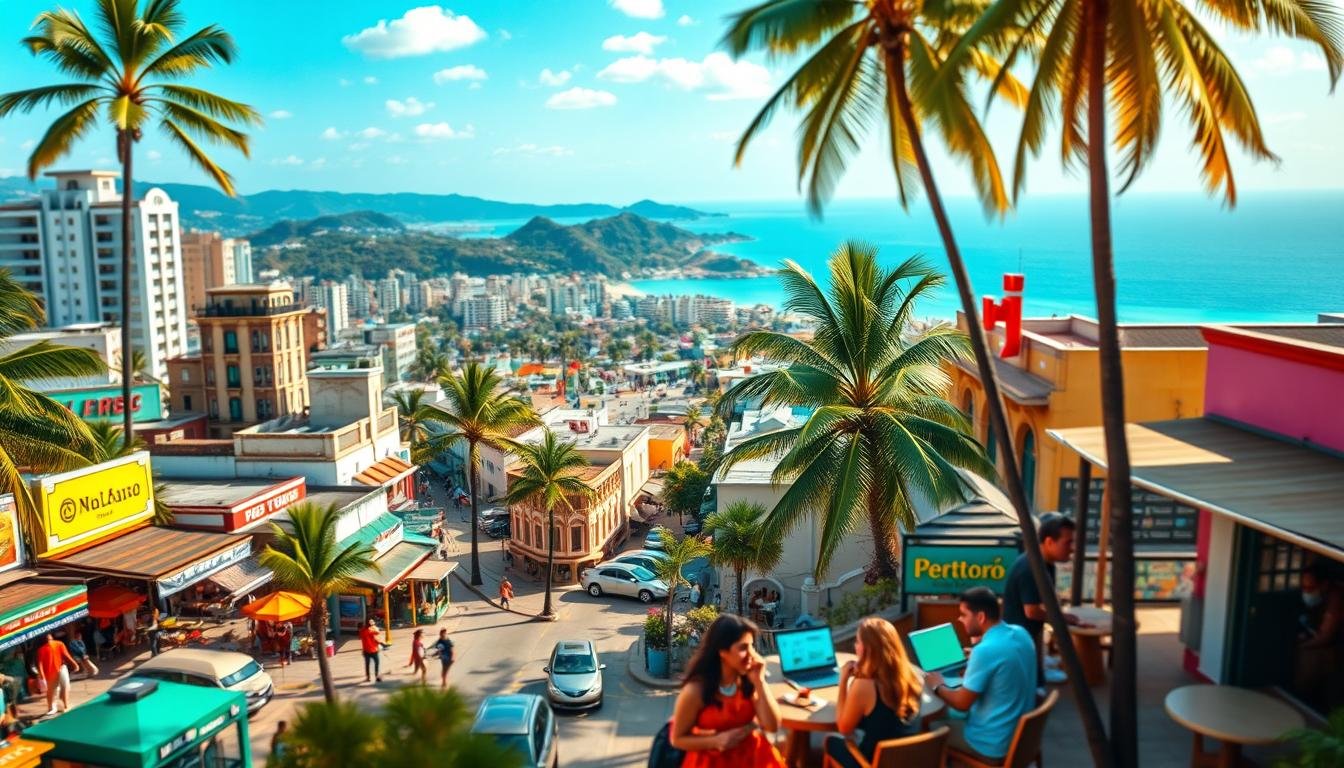
I’ll never forget the moment I realized my laptop could be my passport. Sitting in a sunlit Medellín café, sipping Colombian coffee that cost less than a dollar, I finalized a client project while planning a weekend hike to Parque Arví. That’s when it clicked: geography doesn’t have to dictate your career.
Over three years of blending work with exploration taught me that cities like Chiang Mai and Lisbon aren’t just postcard backdrops. They’re communities where $1,200 monthly budgets cover cozy apartments, reliable Wi-Fi, and immersive cultural experiences. The secret? Choosing locations where your dollar stretches further without sacrificing modern essentials.
This lifestyle isn’t about luxury resorts – it’s morning markets where vendors know your coffee order, coworking spaces buzzing with creative energy, and sunset beach walks after hitting “send” on deliverables. But finding these sweet spots requires insider knowledge. How do you balance spreadsheet deadlines with spontaneous street food adventures? Where can you secure fast internet without paying premium prices?
Key Takeaways
- Strategic location choices slash living costs while enhancing cultural engagement
- Top destinations offer coworking infrastructure rivaling major US cities
- Local immersion opportunities increase alongside cost savings
- Effective budgeting enables extended stays in vibrant communities
- Work-life balance improves in environments designed for hybrid lifestyles
Through trial, error, and countless Zoom calls from tropical terraces, I’ve mapped out cost-effective hubs that fuel both productivity and curiosity. Let’s explore how you can transform your workday routine into a global adventure.
Introduction: Embracing the Digital Nomad Lifestyle on a Budget
My first video call from a Vietnamese rice terrace taught me more about flexibility than any corporate training ever could. This shift from cubicles to coconuts didn’t happen overnight. It grew from technological advancements and a global reevaluation of what “office space” means.
The Evolution of Workplace Freedom
The digital nomad movement traces its roots to 2010s tech innovations. Cloud computing and high-speed internet turned beach bars into boardrooms. By 2023, over 35 million professionals worked while exploring new cultures. But early adopters faced a trap: chasing Instagram-perfect locations drained bank accounts faster than sunset photos could fill camera rolls.
I learned this lesson in Bali. A fellow creator confessed, “My ‘paradise’ cost $4,000 monthly – until I discovered inland villages.” His story mirrors Nomad List data showing coastal hotspots often double living expenses compared to cultural hubs just 15 miles inland.
Wealth Beyond Money
Affordable locations do more than stretch dollars. They create space for meaningful connections. In Chiang Mai’s old city, $500 rents include weekly language exchanges with neighbors. Lisbon’s LX Factory hosts coding meetups beside family-run taco stands.
This balance transforms work from a chore to an adventure. Waking to temple bells instead of traffic horns. Trading happy hours for cooking classes with local grandmothers. When your environment fuels creativity rather than draining resources, productivity becomes joyful – not just profitable.
Best Budget-Friendly Destinations for Remote Workers
A Chiang Mai market vendor taught me the real meaning of work-life balance. While negotiating for mango sticky rice between client calls, I discovered how low-cost living amplifies cultural immersion. Three cities consistently stand out for blending affordability with authentic experiences.
Local Culture as Your Daily Office
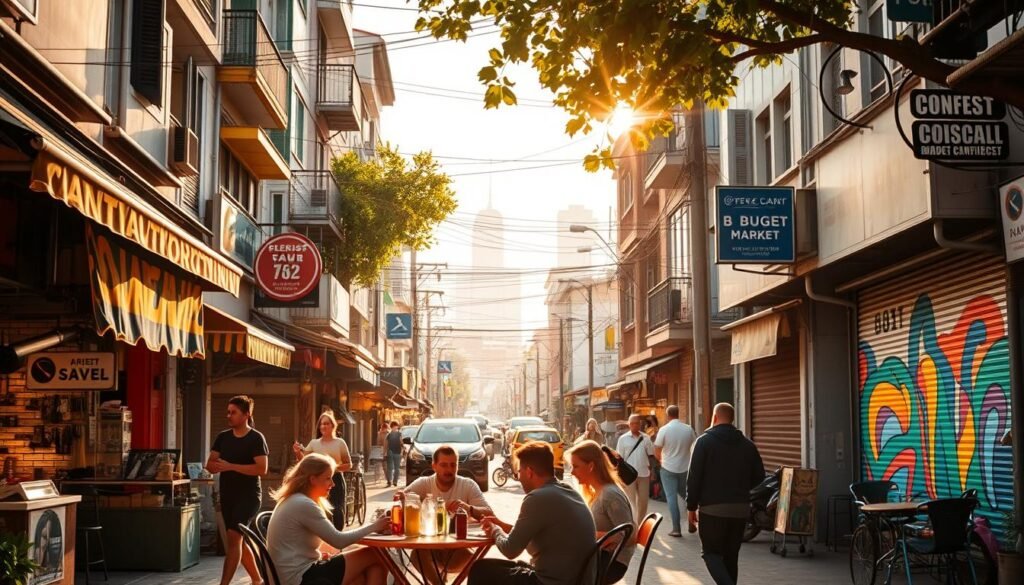
Medellín’s Comuna 13 neighborhood transformed from conflict zone to open-air gallery. For $800/month, you get:
- Street art tours led by community guides
- Spanish exchanges with abuela-run cafeterias
- High-speed internet in Plaza Botero cowork hubs
Sofia surprises with Balkan charm. Nomad List shows 65% lower living costs than Paris. Thursday folk dances in City Garden park become networking events.
When Cheap Eats Beat Trendy Cafés
Chiang Mai’s 30฿ ($0.85) khao soi nourishes both body and workflow better than $7 avocado toast. A 2023 Remote Work Index found:
| Location | Monthly Cost | Cultural Depth | Community Vibe |
|---|---|---|---|
| Medellín | $800 | Street art workshops | Local market collaborations |
| Bali (tourist areas) | $1,500 | Yoga retreats | Expat-dominated cafes |
The secret? Seek neighborhoods where traditional food stalls outnumber Starbucks. My Sofia房东 (landlady) became my Bulgarian tutor, charging lessons in homemade banitsa pastries.
True nomad communities thrive where costs stay low enough to say “yes” to spontaneous empanada-making classes. When your rent doesn’t drain creativity, you’ll find yourself drafting proposals to Andean flute music – and loving every minute.
Exploring International Hotspots for Remote Work
The scent of freshly brewed Turkish coffee in Tbilisi’s Fabrika courtyard reminded me why location matters. Across continents, certain cities have perfected the art of blending productivity with cultural richness. Let’s explore global hubs where workdays feel like adventures.
Southeast Asia: Chiang Mai, Ubud, and Beyond
Chiang Mai’s Nimman district buzzes with creators sipping ฿40 ($1.10) lattes at open-air workspaces. Ubud’s digital nomad lifestyle thrives among rice fields – coworking villas offer weekly rates cheaper than a Manhattan lunch. Recent surveys show:
| City | Monthly Cost | Cultural Highlight | Wi-Fi Speed |
|---|---|---|---|
| Chiang Mai | $650 | Night markets | 100 Mbps |
| Ubud | $900 | Balinese dance classes | 75 Mbps |
| Ho Chi Minh City | $800 | Museum of Vietnamese History | 120 Mbps |
“Our members trade stock charts for sunrise yoga,” says a Bali hub manager. This region proves low cost living fuels creativity better than sterile offices.
Latin America and Europe: Medellín, Lisbon, and Tbilisi
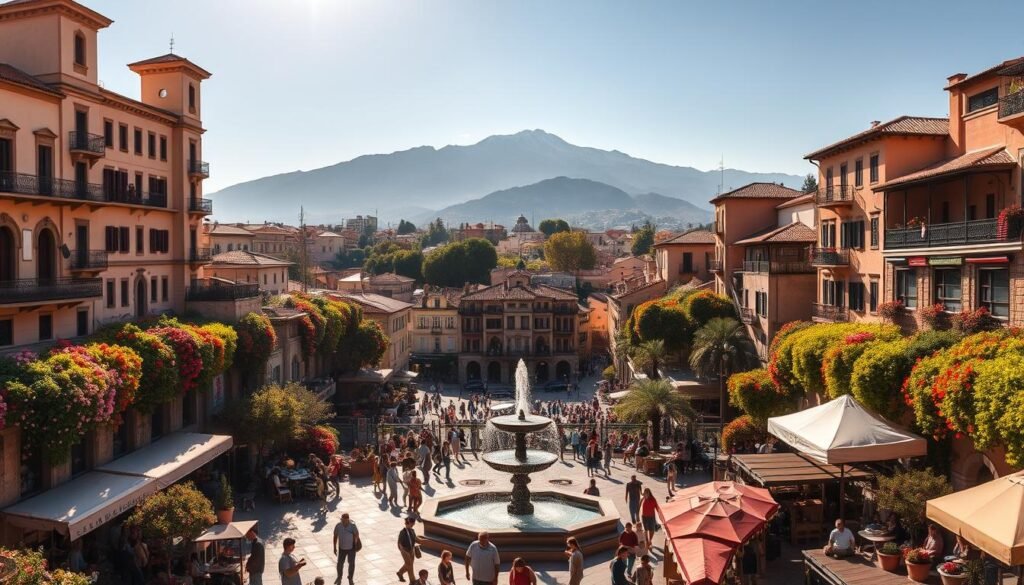
Medellín earns its city of eternal spring nickname with 72°F days year-round. Lisbon’s LX Factory merges tech meetups with fado music nights. Tbilisi’s emerging scene offers $500/month flats near sulfur baths.
“Our rooftop workspace lets you code with Andean mountain views.”
These cities share three magic ingredients: reliable infrastructure, welcoming communities, and landscapes that turn lunch breaks into explorations. Whether you’re drafting emails to Georgian polyphonic songs or brainstorming over pasteis de nata, every task feels connected to place.
Blending Work, Culture, and Affordability Abroad
The clatter of keyboards blended with sizzling street food in Sofia’s Central Market Hall revealed the perfect work-life cocktail. This vibrant mix of modern workspaces and traditional eateries creates environments where deadlines meet discovery.
Local Cuisine, Community, and Co-working Spaces
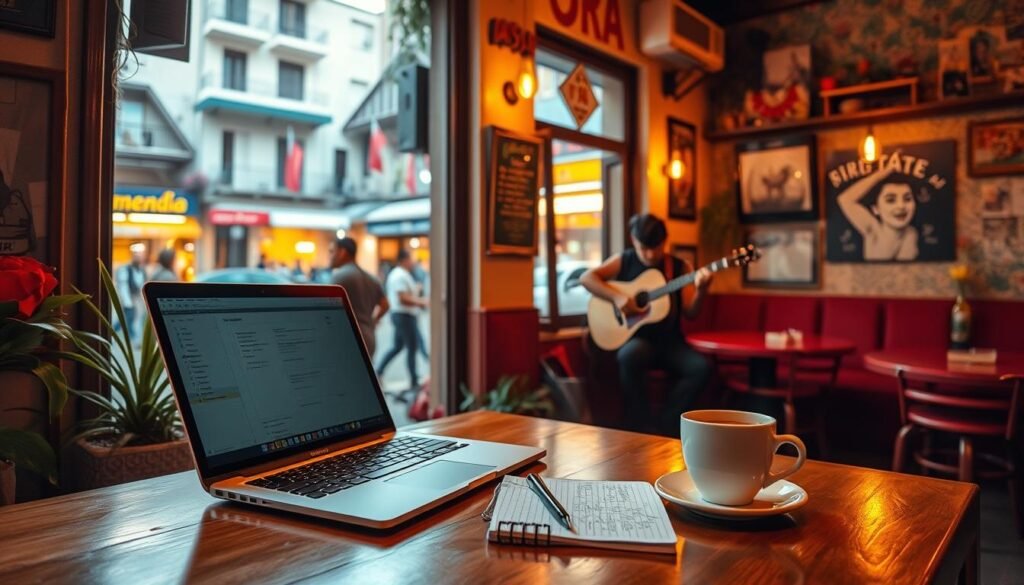
Sofia’s Coworking Café serves banitsa pastries alongside high-speed Wi-Fi. Bali’s Hubud offers organic lunches cooked by nearby warungs. These community centers prove workspaces thrive when rooted in local culture.
My favorite productivity hack? Scheduling calls during Cape Town’s lunch rush. The Workshop17 center sits above a food market where $3 bobotie wraps fuel afternoon sprints. Shared meals become networking spaces – I’ve landed clients over Serbian ćevapi more than Zoom rooms.
Infrastructure and Connectivity Essentials
Reliable infrastructure turns scenic spots into viable offices. Top locations now offer:
| City | Co-working Options | eSIM Coverage | Unique Perks |
|---|---|---|---|
| Sofia | 6+ centers | 98% 4G | Free language exchanges |
| Bali | 12+ villas | 85% 5G | Rice field yoga sessions |
| Cape Town | 8+ hubs | 92% 4G | Table Mountain hiking groups |
“Our members need mountain views and Microsoft Teams,” says a Bali hub manager. This balance makes tropical landscapes practical workplaces. With local SIM cards costing $10/month, you can edit spreadsheets from a Medellín cable car or Lisbon tram.
The magic happens when ancient plazas host coding marathons. Where else can you debug software between flamenco guitar lessons? When your office atmosphere includes spice markets and surf breaks, work becomes an adventure you’re paid to have.
Practical Tips for Creating a Sustainable Remote Work Lifestyle
Stumbling through Mexico City’s metro during rush hour taught me more about adaptability than any productivity app. Navigating packed trains with my laptop bag became a crash course in blending work commitments with cultural immersion. Three elements form the foundation of lasting nomadic success: financial strategy, community integration, and local rhythm synchronization.

Budget Planning and Cost-Effective Living Strategies
Start with housing hacks. In Ho Chi Minh City, monthly rents drop 40% when leasing through local Facebook groups rather than international platforms. Bali’s Canggu area offers $300/month villas if you avoid peak tourist seasons. Consider this cost breakdown:
| City | Housing | Food | Transport |
|---|---|---|---|
| Mexico City | $450 | $180 | $25 |
| Ho Chi Minh | $300 | $150 | $15 |
| Bali | $400 | $200 | $30 |
Groceries from markets beat supermarket prices. My weekly food budget in Oaxaca dropped 60% after switching to the tianguis (street market). Always carry reusable containers – many vendors offer discounts for avoiding plastic.
Finding the Perfect Digital Nomad Community
Thriving communities hide in plain sight. Join Bali’s “Canggu Digital Nomads” WhatsApp group for real-time event updates. Mexico City’s WeWork Reforma hosts weekly Spanish/English exchanges. Look for coworking spaces that partner with local businesses – they often provide insider access to cultural experiences.
Adapting to Local Cultures and Transportation Systems
Learn three key phrases in the local language before arrival. Download mobility apps specific to each region: Grab in Southeast Asia, Didi in Latin America. In humid climates like Bali’s, use silica gel packets in your tech bag to prevent moisture damage. Always carry a portable power bank – you’ll find outlets scarce in Buenos Aires’ best parrilla spots.
Pro tip: Sync your work hours with the local rhythm. Mexicans start late but work into the evening, while Vietnamese professionals begin at dawn. Matching your schedule creates better collaboration opportunities with both clients and neighbors.
Conclusion
Slicing through a ripe mango at a São Paulo city center market, I discovered urban hubs could fuel both creativity and savings. These vibrant cores prove you don’t need deep pockets to experience rich cultures – just smart location choices.
Living near historic plazas means accessing fresh cuisine from family-run stalls and coworking spaces with mountain views. Morning commutes become strolls past street art murals. Lunch breaks transform into cooking classes with neighborhood abuelas.
The magic lies in balancing spreadsheet tasks with spontaneous discoveries. When your apartment sits steps from buzzing markets and reliable Wi-Fi, workdays blend seamlessly with cultural immersion. You’ll draft proposals to the rhythm of Andean panpipes and brainstorm over €1.50 pastéis de nata.
Ready to reimagine your office view? Start by exploring city center neighborhoods where rent costs less than daily coffee runs back home. Let street food vendors become your caterers and ancient alleyways your conference rooms.
Your best work might emerge where work and wonder coexist. Pack your laptop – the world’s most inspiring desks await.
FAQ
What makes a city ideal for digital nomads seeking affordability?
How do I balance authentic cultural experiences with modern comforts?
Which regions offer the best infrastructure for remote work?
Can I maintain a healthy work-life balance in budget destinations?
What’s your top tip for saving money while working remotely abroad?
FAQ
What makes a city ideal for digital nomads seeking affordability?
I look for a mix of low cost living, reliable Wi-Fi, and a welcoming nomad community. Places like Chiang Mai and Medellín offer coworking spaces, cheap local eats, and a laid-back vibe that balances work and exploration.
How do I balance authentic cultural experiences with modern comforts?
I prioritize destinations where history and local life blend seamlessly. Lisbon’s cobblestone streets and Tbilisi’s artsy cafes let me dive into culture without sacrificing cozy workspaces or strong coffee.
Which regions offer the best infrastructure for remote work?
Southeast Asia’s hubs like Ubud have fast internet and nomad-friendly cafes. In Europe, Lisbon’s digital nomad scene thrives with coworking spots, while Tbilisi surprises with affordable apartments and 24/7 connectivity.
Can I maintain a healthy work-life balance in budget destinations?
Absolutely! Medellín’s “eternal spring” climate encourages afternoon hikes, and Chiang Mai’s low costs mean I can enjoy Thai massages or night markets guilt-free after logging off.
What’s your top tip for saving money while working remotely abroad?
I rent monthly for discounts, eat where locals do, and use public transit. In cities like Da Lat or Mexico City,
FAQ
What makes a city ideal for digital nomads seeking affordability?
I look for a mix of low cost living, reliable Wi-Fi, and a welcoming nomad community. Places like Chiang Mai and Medellín offer coworking spaces, cheap local eats, and a laid-back vibe that balances work and exploration.
How do I balance authentic cultural experiences with modern comforts?
I prioritize destinations where history and local life blend seamlessly. Lisbon’s cobblestone streets and Tbilisi’s artsy cafes let me dive into culture without sacrificing cozy workspaces or strong coffee.
Which regions offer the best infrastructure for remote work?
Southeast Asia’s hubs like Ubud have fast internet and nomad-friendly cafes. In Europe, Lisbon’s digital nomad scene thrives with coworking spots, while Tbilisi surprises with affordable apartments and 24/7 connectivity.
Can I maintain a healthy work-life balance in budget destinations?
Absolutely! Medellín’s “eternal spring” climate encourages afternoon hikes, and Chiang Mai’s low costs mean I can enjoy Thai massages or night markets guilt-free after logging off.
What’s your top tip for saving money while working remotely abroad?
I rent monthly for discounts, eat where locals do, and use public transit. In cities like Da Lat or Mexico City, $1 street tacos and $5 coworking days keep my budget intact for weekend adventures.
How do I find communities that align with my nomadic lifestyle?
I join Facebook groups like “Digital Nomads Medellín” or attend meetups at coworking spaces. Platforms like Nomad List also help me connect before arriving in spots like Lisbon or Bali.
Are there hidden costs I should watch for in affordable destinations?
Visa runs can add up in Southeast Asia. In Europe, tourist taxes in Lisbon or Croatia might surprise you. I always budget extra for mid-term health insurance and unexpected transit fees.
street tacos and coworking days keep my budget intact for weekend adventures.
How do I find communities that align with my nomadic lifestyle?
I join Facebook groups like “Digital Nomads Medellín” or attend meetups at coworking spaces. Platforms like Nomad List also help me connect before arriving in spots like Lisbon or Bali.
Are there hidden costs I should watch for in affordable destinations?
Visa runs can add up in Southeast Asia. In Europe, tourist taxes in Lisbon or Croatia might surprise you. I always budget extra for mid-term health insurance and unexpected transit fees.
