

Today marks day 2,411 of living without a fixed address. In 2018, my partner and I sold everything, packed our laptops, and set out to explore the world. From Chile’s rugged coastlines to Sri Lanka’s spice markets, we’ve discovered what makes a city thrive for remote workers like us. The blend of adventure, cultural immersion, and flexible workspaces has redefined how I view “home.”
Choosing where to base yourself isn’t just about fast Wi-Fi or low costs—though those matter. It’s about finding communities that fuel creativity while offering ease of life. Over 30 countries later, I’ve learned to prioritize destinations with digital nomad visas, vibrant local culture, and reliable infrastructure. Whether sipping coffee in a Bali coworking space or brainstorming by Cape Town’s beaches, every location teaches something new.
This guide shares insights from my journey, spotlighting cities that balance affordability with unique charm. I’ll break down essentials like internet speeds, visa policies, and hidden gems that make nomadic living sustainable. Ready to trade cubicles for sunsets?
Key Takeaways
- Digital nomad visas simplify long-term stays in many countries
- Affordable living costs stretch your budget further
- Reliable internet is non-negotiable for remote work success
- Local culture and community enhance daily life
- Climate and time zones impact productivity and travel plans
Introduction to the Digital Nomad Lifestyle
The moment I sold my couch was when reality hit—this wasn’t just a vacation. My leap into location independence began with a spreadsheet comparing visa options and flight prices to low-cost cities. That first year taught me more about remote work logistics than any office job ever did.
My Journey and First Steps
I discovered this lifestyle through a travel blogger’s Instagram post. Two months later, I’d sold 80% of my belongings. Early struggles? Finding reliable internet in Costa Rican rainforests and explaining time zones to clients. But watching howler monkeys from my “office” made up for the chaos.
What It Means to Work Remotely
True freedom isn’t skipping meetings—it’s structuring your day around Lisbon’s golden hour or Bangkok’s night markets. I’ve learned to treat destinations as both playgrounds and productivity hubs. A solid routine lets me deliver projects from beaches while still exploring local culture.
Balance comes through trial and error. Some weeks I’m coding from a town in the Swiss Alps. Others, I’m negotiating Wi-Fi speeds in Bali cafes. This rhythm keeps work fresh and travel meaningful—a dance I’ll unpack in later sections.
Why I Chose This Lifestyle
It wasn’t the office parties I’d miss, but the chance to explore hidden corners of the world. My turning point came during a rainy Tuesday commute—realizing I valued spontaneity over stability. This path lets me rewrite the rules of work while discovering how different cultures approach life’s simple joys.

Freedom and Adventure
Watching fishermen haul nets at dawn in Vietnam beats scrolling through emails. I’ve traded fluorescent lights for beaches where Wi-Fi signals mingle with salt air. Last year, I spent mornings coding from a cliffside hut in Thailand and afternoons learning traditional tea ceremonies—experiences no corporate retreat could match.
Benefits of a Location-Independent Career
My career grew as my passport filled up. Networking in coworking spaces from Cape Town to Tallinn led to projects I’d never find locally. The nomad visa system lets me stay months in countries that once required tedious paperwork. Yes, I’ve missed weddings, but gained friendships across seven time zones.
| Aspect | Traditional Career | Nomad Lifestyle |
|---|---|---|
| Work Environment | Fixed office | Beaches, cafes, mountains |
| Cultural Exposure | Limited | Daily immersion |
| Networking | Local contacts | Global community |
| Flexibility | 9-to-5 schedule | Timezone-agnostic |
Chasing summer across continents does mean constantly relearning grocery stores. But trading convenience for Faroe Islands’ waterfalls or Lisbon’s tiled streets? That’s a math problem I’ll always solve in favor of adventure.
Top Factors in Choosing a Destination
Three elements dictate where my laptop lands next: budget-friendly basics, bulletproof Wi-Fi, and visa policies that don’t make my head spin. I’ve learned to treat cities like temporary partners—they need to offer practical support along with sparks of inspiration.
Cost of Living and Affordability
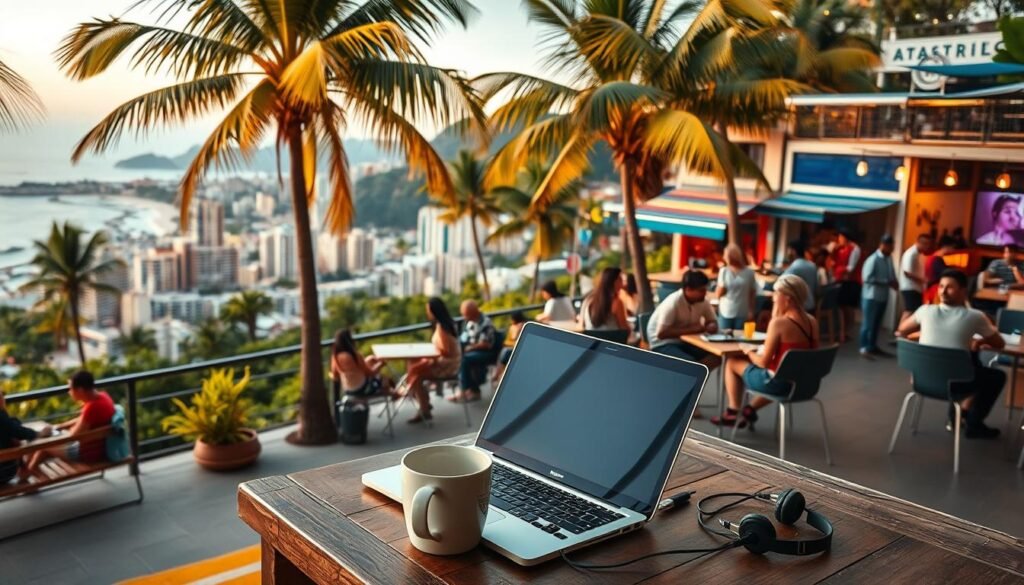
My rule? Never spend more than $1,200 monthly on essentials. Chiang Mai spoiled me with $3 pad thai lunches and $400 studio apartments. But affordability means more than cheap rent—it’s about accessible healthcare, coworking memberships, and transportation that doesn’t drain creativity funds.
Reliable Internet and Coworking Spaces
I once lost a client in Guatemala after three days without signal. Now I demand minimum 50 Mbps speeds and test cafe routers before ordering coffee. Lisbon’s Second Home and Bali’s Dojo Space became my productivity sanctuaries—reliable power outlets and communities that spark collaboration.
Visa and Work Permit Considerations
Thailand’s new digital nomad visa changed everything—no more border runs every 60 days. I prioritize countries offering 6+ month stays with clear remote work policies. Compare these options:
| Country | Visa Length | Income Requirement |
|---|---|---|
| Portugal | 1 year | €2,800/month |
| Costa Rica | 2 years | $3,000/month |
| Malaysia | 12 months | $24k/year |
Smart visa planning lets me swap “tourist” stress for deep cultural immersion. When destinations align these three factors, my work thrives alongside my wanderlust.
Best Places to Live and Work Remotely for a Digital Nomad
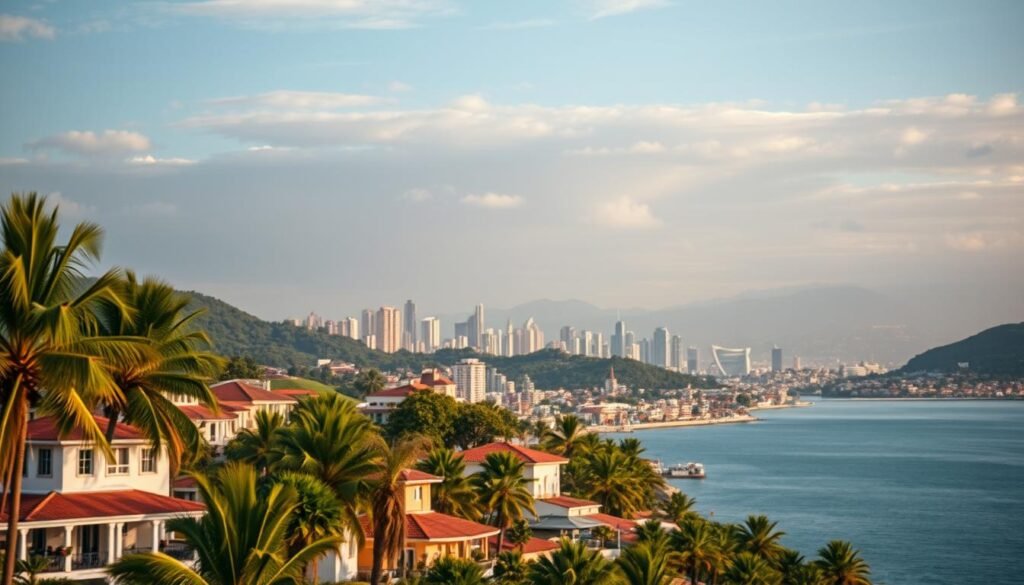
Seven years of nomadic living taught me that great digital nomad destinations blend practicality with soul-stirring experiences. Below are spots where my productivity soared alongside my sense of wonder.
Popular Nomad Hubs and Emerging Destinations
Chiang Mai remains a classic for good reason. Its $300 coworking memberships include lightning-fast internet and networking events that spark collaborations. I once coded a full project there between temple visits and mango sticky rice breaks.
Vietnam’s Hoi An surprised me with its cafe culture. For $1.50/hour, you get robust Wi-Fi and Vietnamese coffee strong enough to power through time zone jumps. The nomad visa now allows year-long stays, making it ideal for slow travel.
Greece’s lesser-known islands like Milos offer summer escapes with reliable 4G. I’ve hosted Zoom calls from cliffside tavernas here, seafood mezes arriving between client updates.
My Favorite Experiences from Around the World
Nothing beats typing to the rhythm of Lake Atitlán’s waves in Guatemala. My $15/night Airbnb had better views than any corporate office. When work ended, I’d kayak past volcanoes with fellow remote workers.
The Faroe Islands tested my adaptability. Spotty signals meant scheduling work around weather windows, but hiking foggy cliffs between tasks became its own meditation. Their new digital nomad program simplifies stays in this otherworldly landscape.
These cities prove that with the right mix of infrastructure and inspiration, anywhere can become home—at least until the next visa renewal.
Personal Experiences from the Road
The scent of sizzling lemongrass in Hanoi’s Old Quarter still lingers in my memory—not just as a meal, but as my first real taste of cultural immersion. These moments shape my journey more than any visa stamp or coworking space ever could.
Cultural Immersion and Local Cuisine
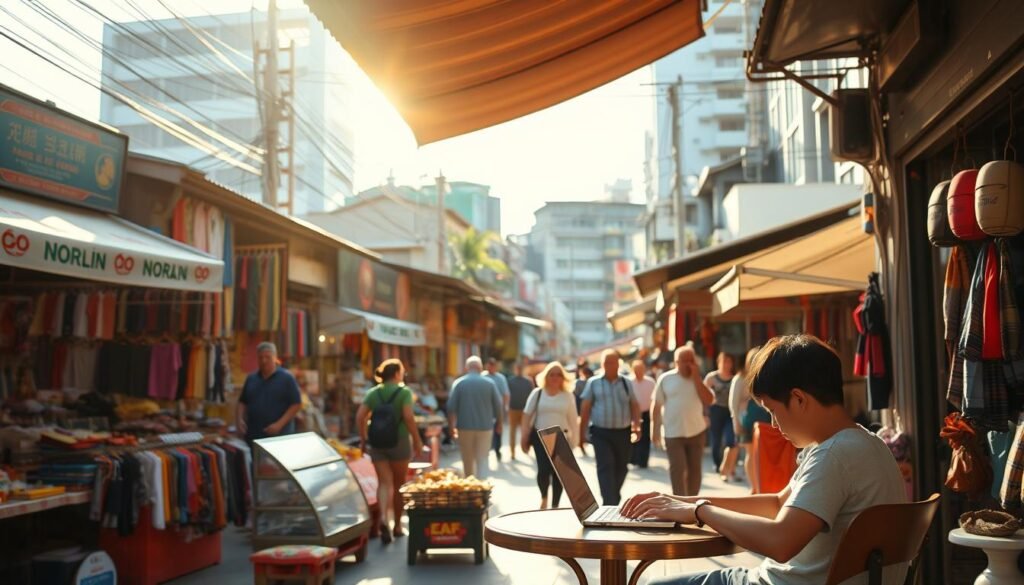
In Oaxaca, Mexico, I learned mole recipes from abuelas during lunch breaks. Their hands moved like seasoned conductors, blending chilies and chocolate into stories I could taste. Street vendors became my language teachers—every taco order doubled as Spanish practice.
Vietnam taught me to work with chopsticks in one hand and a hotspot device in the other. I’d draft emails between bites of bánh mì, the crunch of pickled daikon syncing with keyboard clicks. Food here isn’t fuel—it’s an invitation to connect.
Overcoming Challenges on the Move
Guatemala tested my adaptability when storms knocked out power for 72 hours. I transformed my phone into a mobile office, negotiating deadlines via WhatsApp while charging devices at a generator-powered juice bar. Flexibility became my most vital tool.
Language barriers in Japan’s countryside led to creative solutions. Picture this: Google Translate projecting grocery lists onto convenience store shelves. Each solved problem—from SIM card purchases to typhoon evacuations—deepened my confidence as a digital nomad.
These experiences prove that every challenge carries hidden gifts. Lost luggage in Marrakech? An excuse to wear local kaftans. Spotty internet in Bali? Sunrise work sessions with frangipani-scented breezes. The world rewards those willing to embrace its beautiful chaos.
Essential Tips for a Seamless Remote Work Setup
Your tools matter as much as your passport when building a location-independent career. After testing 14 travel routers and 23 productivity apps across six continents, I’ve distilled what truly works for maintaining efficiency on the move.

Setting Up Your Digital Workspace
Start with a foldable laptop stand and wireless keyboard. These items transform cramped cafe tables into ergonomic stations. Always carry a portable power bank—you’ll thank yourself during blackouts in Bali or bus rides through Patagonia.
Use VPNs religiously. Public Wi-Fi in Marrakech markets or Bangkok hostels can expose sensitive data. My go-to combo: NordVPN for security and Google Drive for cloud backups. Test internet speeds daily using Speedtest.net before committing to accommodations.
Managing Time and Productivity
I block work hours using time zones creatively. Early mornings in Lisbon become client call slots for New York teams. Afternoons in Chiang Mai align with Australian business hours. The Pomodoro Technique keeps me focused: 25-minute sprints followed by five-minute exploration breaks.
These tools streamline my workflow:
| Category | Tool | Key Benefit |
|---|---|---|
| Task Management | Notion | Syncs across devices offline |
| Focus | Freedom App | Blocks social media |
| Communication | Slack | Time zone schedulers |
Find quiet spaces using apps like Workfrom. Medellín’s Pergamino Café and Prague’s Cafe Louvre offer strong signals with minimal distractions. Remember: noise-canceling headphones double as “do not disturb” signs in bustling environments.
Highlighting Unique Cultural and Lifestyle Attractions
Discovering a hidden café in Prague’s cobblestone alleys taught me this truth: cultural treasures hide in plain sight. Beyond visas and Wi-Fi, what makes a destination unforgettable are its unexpected moments—street murals sparking creativity, or impromptu jazz sessions between work sprints.
Urban Exploration Made Magical
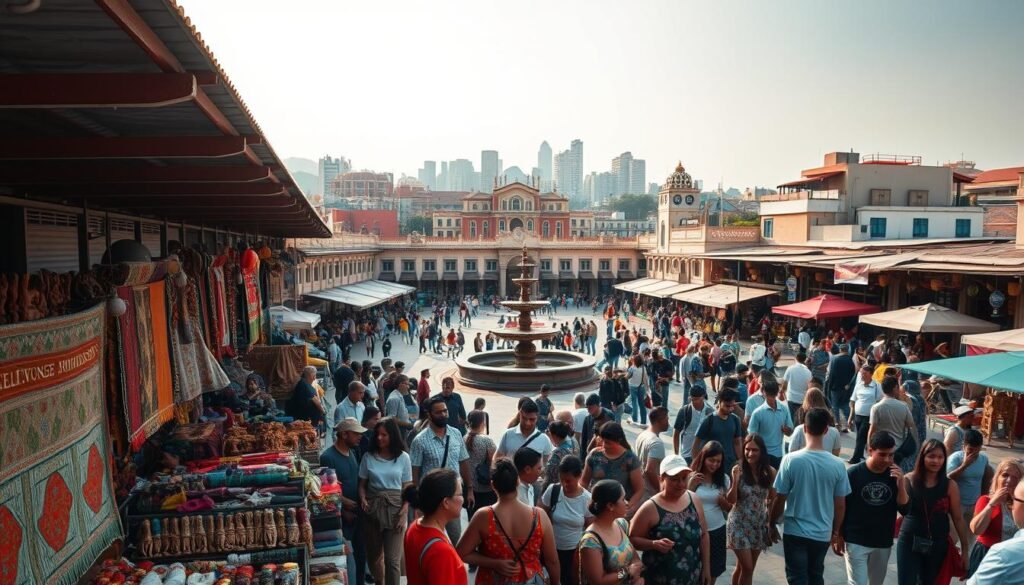
I’ve chased stories through Lisbon’s azulejo-tiled neighborhoods and Kyoto’s lantern-lit tea districts. Smaller towns like Slovenia’s Lake Bled offer quiet inspiration—imagine drafting proposals with castle views. Three tips for memorable discoveries:
- Follow local artists on Instagram for gallery openings
- Ask baristas about upcoming cultural festivals
- Join free walking tours targeting remote workers
Café Culture Beyond the Obvious
Bucharest’s Shift café doubles as a vinyl record shop—perfect for focus sessions with Balkan beats. In Mexico City, I found a speakeasy-style workspace behind a taco stand. Always check:
- Outlet availability near seating
- Background noise levels
- Local dishes that fuel productivity
Building Bonds Across Borders
Bali’s digital nomad meetups led to collaborative projects with programmers from 12 countries. I’ve shared coding tips over Colombian arepas and brainstormed with designers at Budapest ruin bars. These connections turn transient stops into meaningful anchor points.
Whether marveling at street art in Valparaíso or swapping travel hacks in Chiang Mai’s coworking hubs, these experiences remind me: the world’s richest classrooms have no walls.
Conclusion
Six continents later, I still find magic in merging deadlines with discovery. This journey taught me that digital nomads thrive where practicality meets passion—whether through streamlined visa processes or café corners buzzing with creative energy.
Prioritizing fast internet and affordable living lets you work smarter, while embracing local rhythms fuels growth. I’ve built lasting friendships in cities where coworking spaces double as cultural hubs, proving that anywhere can become home with the right mindset.
If you’re craving change, start small. Test a country with strong infrastructure for remote workers, then expand your horizons. The world rewards those who chase sunrises as fiercely as productivity.
Ready to redefine your routine? Pack your laptop, but leave room for spontaneity. And when you do—share your story. Our global community grows richer with every voice added to the chorus of nomads rewriting what work means.
