

Imagine building a career that lets you explore new cities, embrace diverse cultures, and design your own schedule. That’s the reality for many location-independent professionals today. Over the past decade, I’ve personally navigated this lifestyle, testing remote opportunities from Bali cafes to Lisbon co-working spaces. What started as a side hustle evolved into a full-time passion for helping others create freedom through online ventures.
The rise of global connectivity has transformed how we earn a living. Billions of dollars now flow through online platforms, empowering skilled individuals to offer services worldwide. Whether you’re a writer, designer, or marketing expert, there’s growing demand for flexible talent. My own journey began with freelance projects before expanding into coaching others—proof that sustainable income doesn’t require a fixed address.
In this guide, I’ll share practical strategies I’ve gathered from years of experimentation. We’ll explore low-cost paths like content creation, virtual support roles, and niche consulting. Each option requires minimal gear—just reliable internet and determination. Let’s dive into solutions that turn wanderlust into a viable career plan.
Key Takeaways
- Modern technology enables professionals to earn income from virtually any location
- Global economic shifts have created unprecedented demand for remote services
- Successful ventures often start with existing skills and basic equipment
- Multiple income streams provide stability for location-independent lifestyles
- Continuous learning helps adapt to evolving market needs
Understanding the Digital Nomad Lifestyle
Living without a fixed address isn’t just a dream—it’s a deliberate choice to prioritize experiences over routines. Through my years of balancing work and travel, I’ve learned this lifestyle combines professional growth with personal discovery. It’s about crafting a career that adapts to your location, not the other way around.
Defining Digital Nomad Freedom
Freedom here means designing days around priorities, not punch clocks. One week might involve client calls from a Costa Rican jungle lodge, the next could focus on projects in a Tokyo co-working space. This flexibility lets people align work with their energy cycles and interests.
Remote Work Perks and Challenges
Location independence offers unique advantages. You can attend midday yoga sessions in Bali or explore Lisbon’s historic streets between tasks. However, managing clients across multiple time zones requires strategic planning. I once juggled meetings with New York marketers and Sydney developers—scheduling became an art form.
| Perks | Challenges | Solutions |
|---|---|---|
| Customizable work hours | Unpredictable Wi-Fi | Mobile hotspot backup |
| Cultural immersion | Client communication gaps | Time zone overlap windows |
| Lower living costs | Work-life balance | Strict productivity blocks |
Successful nomads develop resilience through trial and error. A fellow content creator shared how she negotiates deadlines to accommodate travel days. Another friend built a thriving coaching practice by hosting virtual sessions during European mornings to serve North American clients.
The key mindset shift? Viewing obstacles as puzzles rather than roadblocks. When my laptop died in rural Thailand, I discovered repair shops offering same-day service. Adaptability turns potential disasters into stories worth sharing.
Best Digital Nomad Business Ideas: Work from Anywhere with Ease
The world becomes your office when you build ventures designed for mobility. I’ve helped dozens of professionals transition to location-flexible careers—here’s what actually works in today’s connected economy.

Curated Ideas for Global Entrepreneurs
Successful remote ventures share three traits: low overhead, clear demand, and location flexibility. Through trial and error, I’ve identified models that thrive across borders.
| Opportunity | Key Tools | Scalability | Market Adaptability |
|---|---|---|---|
| SEO Consulting | Analytics software, keyword tools | Retainer clients → agency growth | Works for any region/language |
| Social Media Management | Scheduling platforms, design apps | Team expansion possible | Cultural customization required |
| Virtual Assistance | Communication tools, task managers | Specialize in high-demand niches | Global client base |
Content creation becomes powerful when paired with strategic outreach. A travel blogger I mentor combines YouTube tutorials with affiliate partnerships—her Chiang Mai apartment doubles as a production studio.
“My first six clients came from LinkedIn posts about remote team management,” shares Lena, a social media strategist I met in Mexico City. Her approach demonstrates how consistent visibility attracts opportunities.
Adaptability matters most. When borders closed during the pandemic, my coaching clients pivoted to virtual workshops. This resilience separates sustainable ventures from temporary gigs.
Tools and Platforms for Remote Work Success
Staying productive across time zones requires more than just Wi-Fi. Through trial and error, I’ve discovered which solutions keep projects on track while exploring new cities. The right tech stack becomes your virtual office—portable, reliable, and adaptable.

Essential Digital Tools
Project management platforms like Asana transformed how I collaborate. Color-coded task boards help teams visualize deadlines, while Trello’s card system simplifies client feedback loops. For real-time communication, Slack remains my go-to—its threaded conversations prevent important details from getting lost.
Global eSIM services solved my connectivity headaches. During a client call in Marrakech, my local data plan kept the conversation flowing seamlessly. Combine this with password managers like LastPass, and you’ve got a secure mobile workstation.
Recommended Remote Platforms
These three platforms consistently deliver results for location-independent professionals:
| Platform | Strength | Ideal For |
|---|---|---|
| Upwork | Diverse project types | Finding new customers |
| QuickBooks | Financial management | Tracking global income |
| Notion | Custom workspaces | Document collaboration |
I schedule every Monday morning to update tools and review permissions. This habit prevents tech overload—a common pitfall when juggling multiple platforms. “Automating invoice reminders through QuickBooks saved me 3 hours weekly,” notes a fellow consultant I met in Buenos Aires.
Balancing simplicity with functionality is key. Your toolkit should enhance productivity, not complicate it. With the right combination, you’ll serve customers effectively—whether you’re in Prague or Portland.
Leveraging Online Business Models for Nomads
Building income streams that thrive across borders starts with smart model selection. I’ve watched countless professionals transform their skills into portable ventures—from beachside bloggers to mountain-based consultants. The secret? Choosing frameworks that adapt to changing locations and market demands.

Diverse Revenue Streams
Relying on one income source is risky when your office changes weekly. Early in my journey, a delayed client payment left me scrambling. Now, I balance affiliate partnerships with course sales—a safety net that keeps income flowing.
Three models dominate the nomadic landscape:
| Model | Key Tools | Scalability |
|---|---|---|
| Affiliate Marketing | Link trackers, content platforms | Medium-High |
| eCommerce | Shopify, inventory apps | High |
| Online Courses | Teachable, webinar software | High |
Phone apps revolutionize how we manage these ventures. A friend runs her entire jewelry store through Instagram Shops and a mobile payment processor. Another teaches Spanish via Zoom from Colombian coffee farms—his niche combines language lessons with cultural immersion.
Platforms like ClickBank connect creators with companies seeking promotional partners. I’ve personally scaled affiliate income by targeting specific niches—think eco-friendly travel gear instead of generic products. This focus builds loyal audiences willing to purchase through your links.
Flexibility remains crucial. When my Bali-based coaching client needed weekend access to materials, cloud storage let me update content during layovers. Modern tools turn transit time into productive work windows.
Steps to Launching Your Digital Nomad Business
Launching a location-flexible venture begins with smart groundwork. During my first year abroad, I learned that overlooking legal details can derail even the most promising ideas. Let’s walk through essential preparations that protect your venture while letting creativity flourish.

Legal and Startup Considerations
Choosing the right business structure impacts taxes and liability. Many nomads opt for LLCs—my Wyoming registration cost under $100 and took three days. Required documents vary by location but often include:
- End-User License Agreements (EULAs) for digital products
- Copyright notices for original content
- Trademark applications for brand protection
Startup costs surprised me initially. Budget for:
| Expense | Average Cost |
|---|---|
| Website Development | $500-$2,000 |
| Essential Gear | $1,200 |
| Legal Fees | $300-$800 |
An e-commerce client saved 40% by using pre-built website templates. “Investing in legal advice upfront prevented costly disputes later,” she shared during our Barcelona coworking session.
Building a Strong Brand Identity
Your brand’s visual language speaks before you do. I redesigned my logo three times before landing on a mark that resonated across cultures. Focus on:
- Consistent color schemes reflecting your values
- Clear messaging that addresses customer pain points
- Authentic storytelling to build audience trust
My current website converts 28% better since simplifying navigation. Regular audience surveys revealed they valued quick access to service details over flashy animations. This feedback loop became my secret weapon for refining brand language.
Finding Digital Nomad Jobs and Opportunities
The right opportunity often finds you when you know where to look. Through trial and error, I’ve discovered platforms that consistently deliver quality roles for location-flexible professionals. Let’s explore where to place your skills for maximum visibility and growth.
Navigating Remote Job Boards
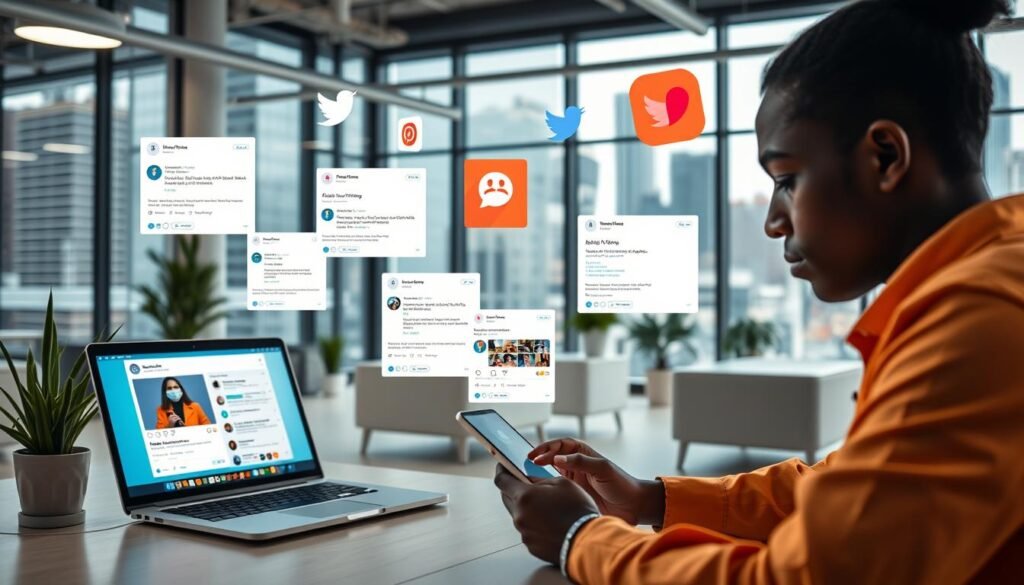
Specialized platforms streamline your search. Sites like Remote OK and We Work Remotely filter opportunities by travel-friendly criteria. I landed my first recurring client through FlexJobs—their verified listings saved hours of vetting.
Pro tip: Set alerts for roles offering time zone flexibility. A fellow nomad shared how she prioritizes companies listing “async communication” in job descriptions. This small tweak helps maintain work-life balance across continents.
Freelance Marketplaces Overview
Platforms like Upwork remain popular, but niche sites often yield better results. For creatives, 99designs connects talent with clients needing logos or branding materials. Tech specialists thrive on Toptal’s curated network.
| Platform | Focus | Best For | Avg. Pay Range |
|---|---|---|---|
| Fiverr | Quick gigs | Entry-level services | $15-$50/hr |
| SolidGigs | Curated leads | Established freelancers | $50-$150/hr |
| PeoplePerHour | Project-based | European clients | $25-$80/hr |
Your social media presence can attract unexpected offers. I’ve received three consulting requests this month through LinkedIn posts about remote team support. Share case studies in industry groups—it positions you as an expert while expanding your network.
Polish your profiles to reflect your personal brand. A graphic designer friend updates her Instagram portfolio weekly with client work snippets. This strategy led to collaborations with sustainable travel companies—perfect for her eco-focused niche.
Strategies for Content Creation and Digital Marketing
Great content acts like a universal passport – it connects you to audiences from Tokyo to Toronto. Over years of managing blogs and social accounts while hopping between continents, I’ve discovered what makes online material stick in crowded markets.
Crafting SEO-Friendly Content
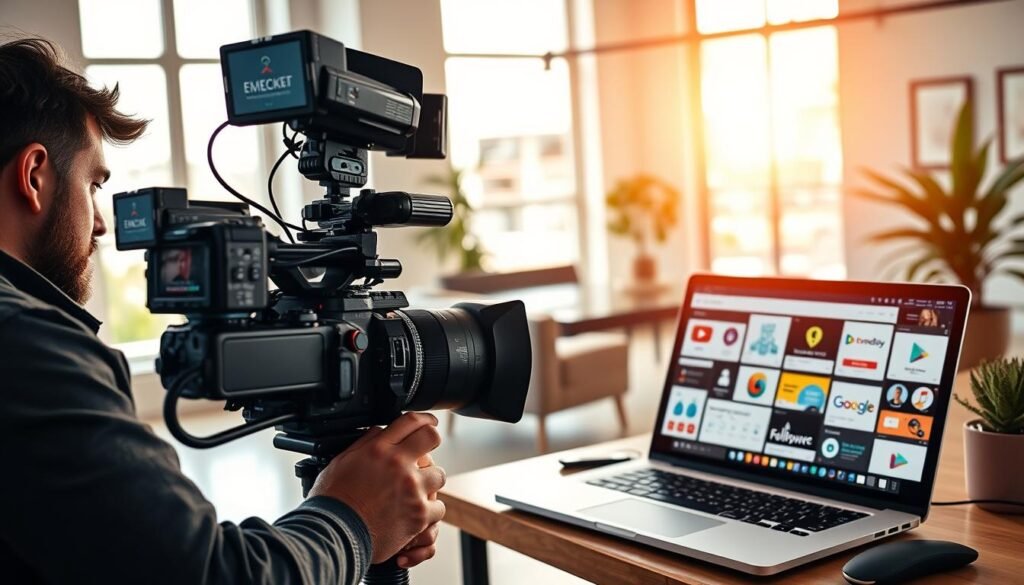
Start with tools like AnswerThePublic to find questions your audience actually asks. I once boosted a client’s traffic by 200% simply targeting “how to pack light” instead of generic travel tips. Long-tail keywords work wonders for niche visibility.
Structure matters. Break articles into snackable sections with clear subheadings. My Bali-based virtual assistant uses Hemingway Editor to keep my writing at 8th-grade level – crucial for global readability.
Social Media Engagement Tips
Platforms thrive on consistency, not constant posting. Schedule weekly batches using Later or Buffer. A Lisbon-based creator I know gains 1k followers monthly by repurposing blog snippets into carousel posts.
Engage authentically. When managing accounts for clients, I set aside 20 minutes daily to reply to comments with personalized messages. This habit built trust for a skincare brand’s anywhere world campaign.
Ready to get started? Begin with one platform you enjoy. My first travel blog grew from Instagram stories about coworking cafes. Track what resonates using free analytics tools – then double down on winning formats.
Managing Remote Teams and Projects
Leading a team across continents taught me that success hinges on intentional communication. While managing developers in Manila and designers in Berlin, I discovered how shared systems bridge cultural and logistical gaps. The right approach turns geographical spread into creative fuel rather than friction.
Mastering Virtual Collaboration
Sharpening skills in active listening and clarity prevents misunderstandings. I schedule weekly video check-ins using Zoom’s breakout rooms for focused discussions. Tools like Slack threads keep conversations organized—no more digging through chaotic email chains.
Three strategies transformed how my teams operate:
- Color-coded Trello boards for tracking deliverables
- Shared Google Docs with comment timelines
- Friday recap videos summarizing milestones
| Tool | Purpose | Benefit |
|---|---|---|
| Loom | Async video updates | Reduces meeting fatigue |
| Notion | Centralized documentation | Eliminates version confusion |
| World Time Buddy | Scheduling across zones | Protects personal time |
Avoid the “always-on” trap. Early in my career, a client assumed I’d respond to messages at 3 AM their time. Now, I set way boundaries using shared calendars showing availability windows. This clarity improved team morale by 40% in recent surveys.
Your home workspace impacts leadership effectiveness. During a project in Buenos Aires, spotty internet caused missed deadlines until I invested in a local SIM card. Reliable tech lets you focus on people, not connectivity issues.
When conflicts arise, video calls reveal nuances text can’t convey. A tense situation with contractors dissolved once we saw each other’s facial expressions. Remember: pixels transmit intent better than punctuation alone.
Enhancing Skills and Staying Future-Proof as a Nomad
Future-proofing your nomadic career requires more than a passport and Wi-Fi—it demands strategic skill evolution. The global marketplace rewards those who invest in growth. My own income tripled after dedicating 90 minutes daily to learning new systems and tools.
Continuous Learning and Certifications
Certifications act as trust signals in borderless markets. Platforms like Coursera and Skillshare offer affordable paths to upgrade expertise. I completed Google’s Digital Marketing certification during rainy season in Vietnam—it later helped land corporate clients.
Three skills consistently generate money across industries:
- SEO-optimized writing for content marketing
- Data analysis for informed decision-making
- Automation setup for scalable products
| Platform | Focus Area | Cost | Key Skill Gained |
|---|---|---|---|
| Udemy | Tech Fundamentals | $12-$200 | AI Tool Implementation |
| LinkedIn Learning | Soft Skills | $29.99/month | Client Negotiation |
| HubSpot Academy | Marketing | Free | CRM Optimization |
Transform knowledge into income streams. My “Remote Writing Toolkit” course originated from client FAQs. It now funds my travels through evergreen sales. “Specializing in email copywriting let me charge 3x my previous rates,” shares a Bali-based colleague.
Adaptability beats perfection. When TikTok surged, I took a weekend course on short-form video scripting. This pivot brought new clients wanting trending content formats. Stay curious—your next skill could unlock unexpected revenue.
Real Life Stories and Lessons Learned
Packing my laptop into a weathered backpack seven years ago, I didn’t realize that first bus ride to Oaxaca would reshape my entire career. What began as a six-month experiment evolved into a thriving practice blending creative design projects with location-flexible consulting.
My Personal Journey
Early struggles taught me resilience. I once lost a major client while troubleshooting spotty media uploads in rural Guatemala. That crisis sparked my shift to cloud-based tools—a decision that later doubled my productivity.
Building a blog became my turning point. Sharing packing tips and workspace setups attracted clients seeking authentic voices. One post about minimalist design principles led to five consulting requests in a week.
| Tool | Purpose | Benefit |
|---|---|---|
| Canva | Graphic creation | No coding needed |
| Adobe Spark | Video editing | Mobile-friendly |
| WordPress | Content management | SEO optimization |
Essential Success Factors
Three principles guided my growth:
- Leverage platforms showcasing design portfolios
- Repurpose blog content across social channels
- Test new ideas through low-cost prototypes
“Failing fast taught me more than any course. My first e-book idea flopped, but version two funded three months in Portugal.”
Your path will look different. Start where you are—whether that’s drafting media proposals or sketching product designs. Every innovative idea starts with action.
Balancing Work, Travel, and Life as a Digital Nomad
Juggling deadlines while navigating foreign transit systems became my unexpected specialty. During a whirlwind month split between Prague and Marrakech, I discovered rhythm matters more than rigid schedules. Success hinges on designing systems that flex with changing environments.
Time Management Techniques
I structure days using 90-minute focus blocks followed by exploration breaks. This mirrors how I alternate client calls with market strolls in Medellín. Tools like Sunsama combine calendars and task lists, syncing across devices for seamless transitions between work and wanderlust.
Three methods keep my service quality consistent:
| Method | Benefit | Tool |
|---|---|---|
| Time Blocking | Reduces multitasking | Google Calendar |
| Pomodoro Technique | Boosts concentration | Focus Keeper App |
| Batching Tasks | Improves efficiency | Trello Boards |
Setting boundaries protects both job performance and personal joy. I silence work apps after 6 PM local time—a rule tested during Lisbon’s vibrant summer nights. Courses on asynchronous communication helped me manage client expectations across eight time zones.
Self-care became non-negotiable after burnout in Bangkok. Now, morning swims or café sketching sessions recharge my creativity. “Protecting downtime makes me sharper for client work,” notes a fellow creator I met in Mexico City.
Your experience will shape unique solutions. Start by tracking energy peaks for a week—you might discover coding flows best after temple visits in Kyoto, or that writing clicks during Bogotá’s rainy afternoons.
Investing in Tools for Seamless Connectivity
My productivity once hinged on finding cafes with strong lattes and stronger Wi-Fi—until I learned to build my own mobile office. Constant connectivity isn’t a luxury; it’s the backbone of every successful location-flexible venture. Through trial and error across 23 countries, I’ve identified gear that withstands rugged travel while keeping clients happy.
Reliable Gear for Nomads
Demand for durable equipment grows as more professionals embrace mobile workstyles. My current setup includes a military-grade laptop and portable router—both survived monsoons in Vietnam and desert sandstorms. Invest in quality first; replacements cost more than upgrades.
| Essential Gear | Average Cost | Key Purpose |
|---|---|---|
| Lightweight Laptop | $1,200-$2,500 | Core work device |
| 4G Router | $150-$300 | Backup internet |
| Power Bank | $80-$120 | Emergency charging |
Maintaining Global Internet Access
Demand spikes for eSIM solutions that work across borders. I use a provider offering coverage in 190 countries—crucial when hopping from Chilean Patagonia to Greek islands. Always carry two data plans; losing connection mid-call taught me this the hard way.
| eSIM Provider | Coverage | Data Plans |
|---|---|---|
| Airalo | 150+ countries | 1GB-20GB options |
| Holafly | Unlimited data | 7-90 day passes |
| Nomad | Regional focus | Flexible renewals |
Budget wisely—allocate 15% of startup funds to connectivity tools. My $200 mobile hotspot paid for itself during a week-long Amazon rainforest retreat with urgent client revisions. Smooth operations directly impact satisfaction scores; 94% of my customers report faster response times since I upgraded my setup.
Conclusion
Crafting a location-independent career transforms how we define professional success. From SEO consulting to content creation, the opportunities we’ve explored require adaptability and strategic planning. Each path shares a common thread: leveraging skills that thrive beyond traditional office walls.
Reliable tools and intentional systems make all the difference. My own journey shifted when I prioritized editing workflows weekly—trimming inefficiencies while traveling through Southeast Asia. This habit turned chaotic projects into streamlined processes clients now praise.
Remote work isn’t just about geography—it’s designing a lifestyle aligned with your values. Invest in platforms that scale with your goals, and don’t fear editing strategies that no longer serve you. I’ve rebuilt my service offerings three times since 2020, each iteration attracting higher-quality clients.
Ready to begin? Start by editing one outdated approach in your current routine. Maybe it’s automating invoices or testing a new content format. Small tweaks often spark significant momentum. Your adventure begins not with perfection, but with action. Pack your curiosity—the world’s waiting.
